BYTS Interior

Low Investment Interior Design in Kerala — What Is Genuinely Possible

Low Investment Interior Design in Kerala — What Is Genuinely Possible — BYTS Interior Palakkad Kerala

A lean budget does not mean a poor-quality interior. It means being intelligent about where quality matters most and where you can make practical choices without long-term regret. This guide tells you honestly what a low-investment interior in Kerala can achieve — and where the compromises are safe versus where they will cost you more in the long run.

Key takeaway

The smartest low-investment strategy is phasing — kitchen and master bedroom at full quality in Phase 1, remaining rooms over 6 to 12 months. Do the kitchen correctly first. It is the one room in a Kerala home that cannot easily be redone later.

Honest Assessment — What Low Investment Gets You

Room Low investment achieves What you give up
Modular kitchen Functional L-shape or parallel layout, standard shutters, IS:303 BWR carcass — fully operational kitchen Premium accessories, acrylic shutters, full pull-out systems
Master bedroom Wardrobe with standard shutters, platform bed, basic lighting Walk-in wardrobe, dressing unit, layered lighting design
Living room TV wall unit, basic false ceiling in gypsum Feature walls, premium flooring, accent lighting
Bedroom 2 Simple wardrobe and bed — fully functional Custom storage solutions, premium finishes
Bathrooms Anti-fungal tiles, standard fixtures, simple mirror Designer sanitaryware, rain shower, backlit mirror
Dining area Basic dining table and chairs Built-in display unit, feature lighting

Where You Must NOT Compromise Regardless of Budget

  • Kitchen plywood grade — IS:303 BWR plywood is non-negotiable in Kerala. Saving here by using lower grade plywood is the most expensive decision you can make in an interior project. Replace the entire kitchen in 3 years or spend a little more now for 12 to 15 years of reliable service.
  • Bathroom tile quality — anti-fungal tiles in wet areas. This is a health consideration as much as a durability one. Cheap porous tiles in Kerala bathrooms grow mould at the grout lines within 2 monsoon seasons.
  • Hardware in the kitchen — hinges and drawer channels are touched hundreds of times per day. Certified hardware from a reputable manufacturer lasts 8 to 10 years. Cheap unbranded hardware fails within 2 to 3 years and is difficult to replace once the kitchen is installed.
  • Electrical safety — do not compromise on the electrical work to save cost. The circuit capacity for the kitchen (for the chimney, oven, refrigerator, and dishwasher simultaneously) must be planned correctly from the start.

Where Practical Choices Save Money Without Long-Term Regret

  • Shutter type — membrane shutters instead of acrylic in the kitchen. The performance difference in daily use is small. The cost difference is meaningful.
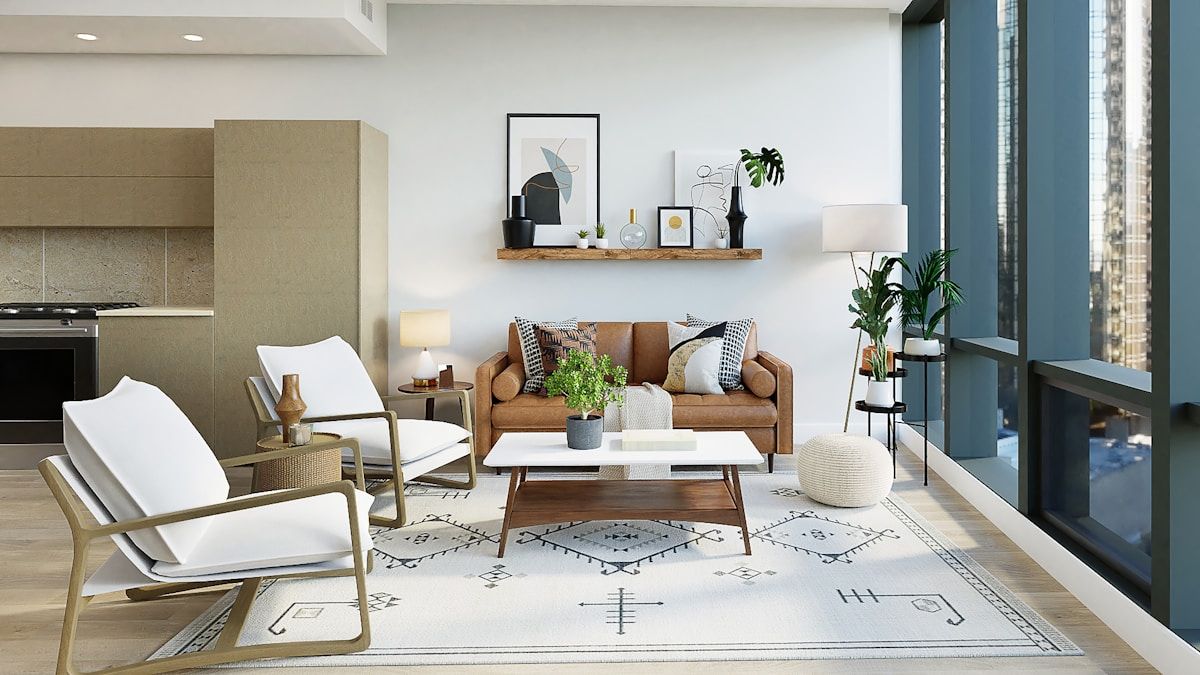
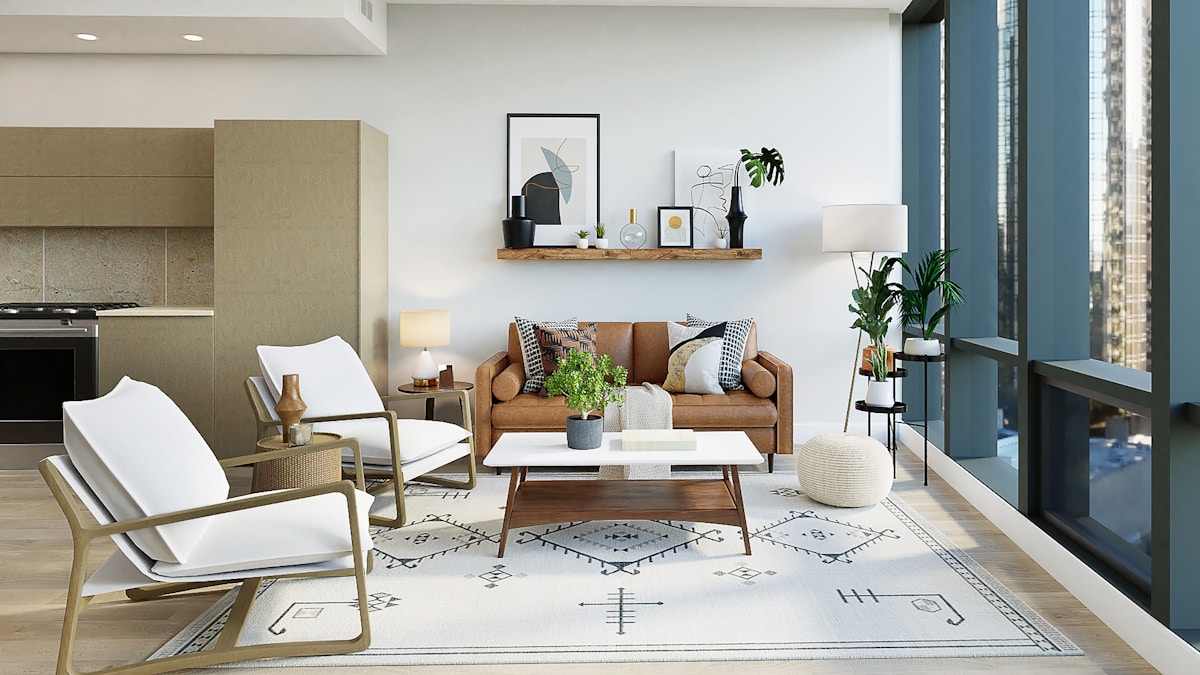
  • Living room furniture — quality flat-pack furniture from reputable sources can look good and last well. The living room is lower priority than the kitchen and bedroom.
  • Bedroom 2 — a simple modular wardrobe and a good mattress on a basic frame. You do not need a custom bed unit in a secondary bedroom.
  • Dining furniture — a good quality solid wood table and basic chairs outlast cheap designer-look furniture significantly.
  • False ceiling scope — a partial false ceiling at the TV wall and bedroom entrance gives visual impact at lower cost than a full room ceiling.
📌 Key insight: The most regretted low-investment choice in Kerala home interiors, consistently, is choosing a lower-grade carcass material for the kitchen to save cost. Within 3 years, the same homeowners are budgeting for a full kitchen replacement – spending more in total than if they had chosen the correct material from the beginning.
💡 Expert tip: If your budget is genuinely limited, discuss it openly with your interior designer at the first meeting. A good designer will prioritise your budget into the elements that matter most rather than trying to do everything at a lower quality level. The honest conversation upfront leads to a better outcome than discovering mid-project that the budget is insufficient for the original scope.

The Phasing Strategy for Low Budget Projects

  1. Phase 1 — Kitchen completely done at full quality. This is non-negotiable and time-critical — you cannot move in without a kitchen.
  2. Phase 2 — Master bedroom wardrobe and bed unit. Do this within 1 month of moving in.
  3. Phase 3 — Bedroom 2 basic wardrobe and bed. Within 3 months of moving in.
  4. Phase 4 — Living room TV wall and basic false ceiling. Within 6 months.
  5. Phase 5 — Remaining decorative elements, dining furniture, and any accent features. Over the following 6 months.
⚠️ Warning: Never compromise on kitchen plywood grade to reduce cost on a tight budget. Choosing lower-grade plywood for a Kerala kitchen to save money is the single most expensive decision you can make – you will replace the entire kitchen in 3 years at far greater total cost.

Frequently asked questions

Q: Can I get a good modular kitchen in Kerala on a limited budget?
A: Yes. A functional, durable modular kitchen with IS:303 BWR plywood carcasses, standard membrane shutters, and certified hardware is achievable at a lower investment level than most people assume. The key is not compromising on the plywood grade and hardware — these determine how long the kitchen lasts.
Q: What is the minimum viable interior for moving into a Kerala apartment?
A: Minimum viable: modular kitchen fully operational, master bedroom wardrobe and a bed to sleep in, and working bathrooms with anti-fungal tiles. Everything else can follow over the first 6 to 12 months.
Q: Can BYTS Interior work with a small budget?
A: Yes. We design and manufacture across a range of investment levels. We will give you an honest assessment of what is achievable within your budget and where the most important investments should go.
Q: Is it better to buy cheap furniture now and replace it later?
A: For kitchen cabinets — no. Cheap kitchen cabinets that fail in 3 years cost more in total than quality ones that last 12 to 15 years. For bedroom and living room furniture — cheap options are more acceptable because they can be replaced individually without disrupting the whole room.

Ready to transform your home?

Book a FREE site visit — Palakkad, Thrissur, Kozhikode & Coimbatore. Our senior team visits at no charge.

Book free consultation →
WhatsApp us

🏠

Design Team, BYTS Interior

10–20 years of combined interior design experience across Kerala and Tamil Nadu. All projects designed and manufactured at our Palakkad factory. Serving Palakkad, Thrissur, Kozhikode, Kochi & Coimbatore.

Disclaimer
The information shared in this article is based on BYTS Interior’s industry experience, project observations, and general interior design practices commonly followed in Kerala and South India. Project costs, timelines, material performance, approvals, and technical requirements may vary depending on site conditions, client preferences, market fluctuations, building structure, and local authority regulations. Readers are advised to consult qualified professionals before making financial, structural, or technical decisions based on this content.
Bedroom Interior Design in Kerala — Complete 2025 Guide

Bedroom Interior Design in Kerala — Complete 2025 Guide — BYTS Interior Palakkad Kerala

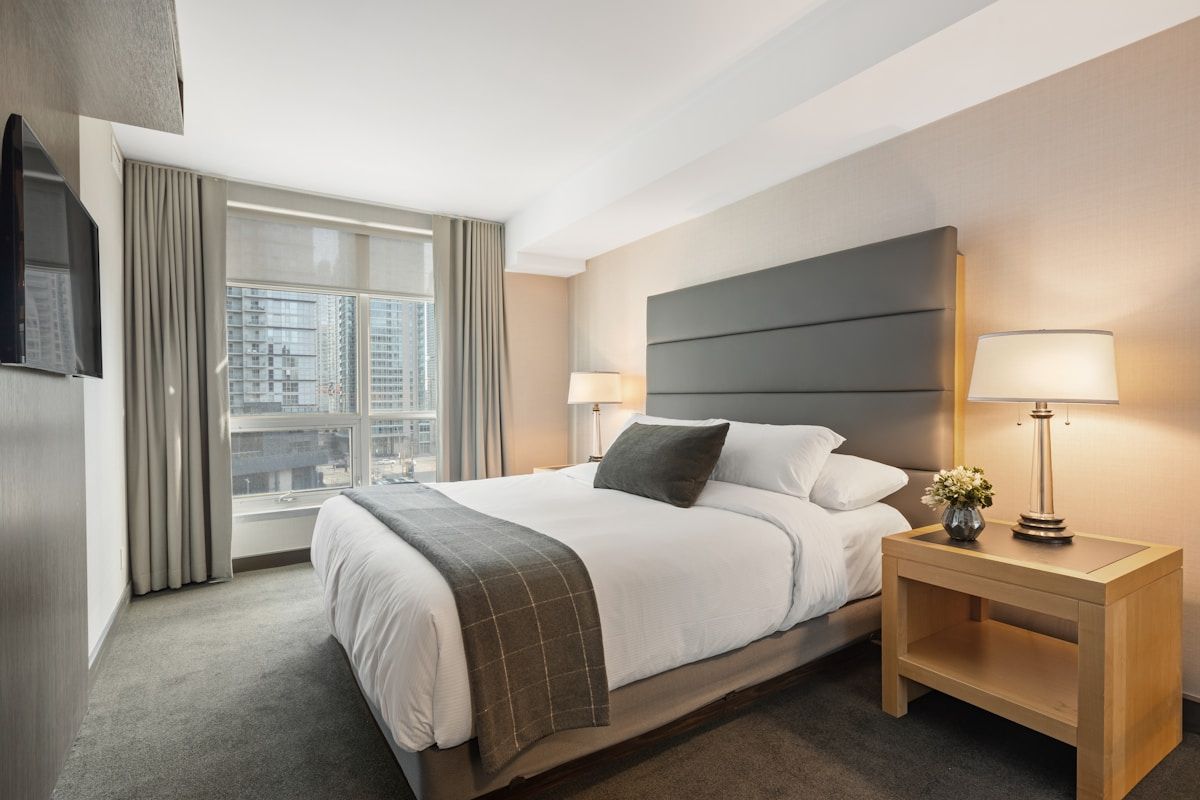
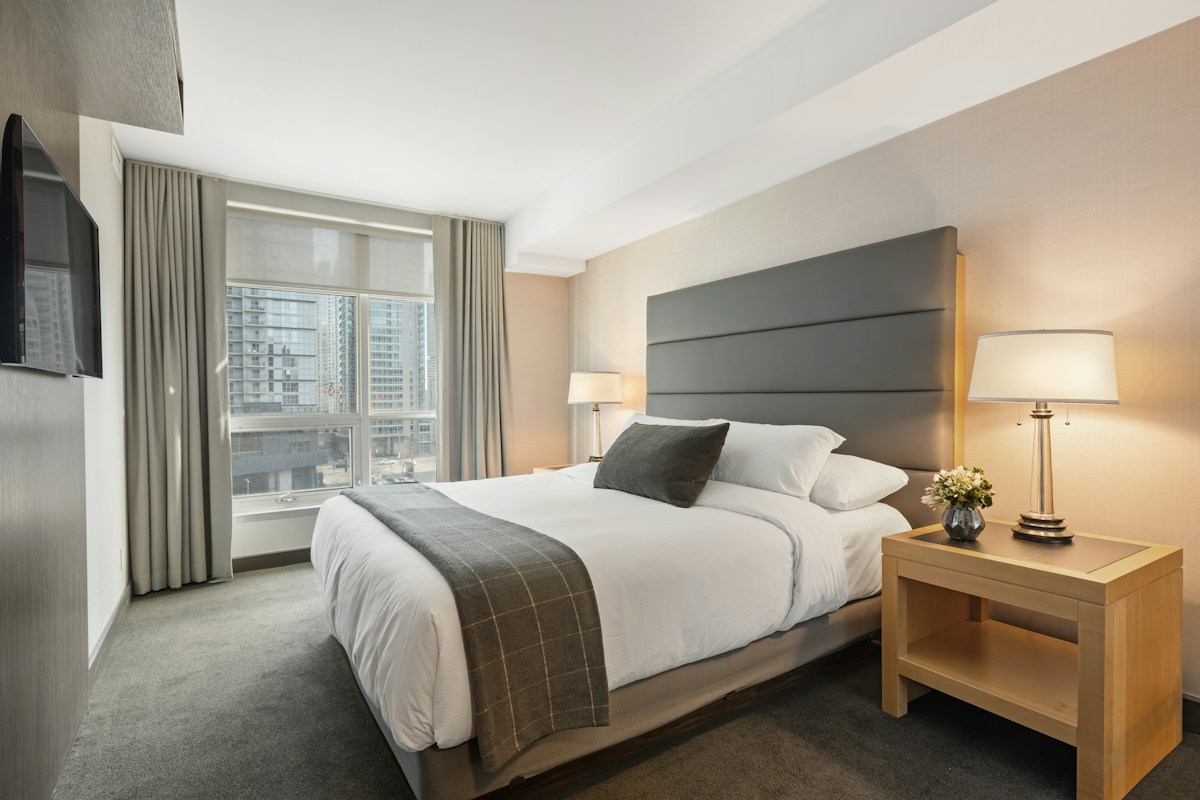
A complete master bedroom interior involves decisions that determine how comfortable and enjoyable the space is for the next decade. This 2025 guide covers every element — wardrobes, bed units, lighting, colour, storage — with specific guidance for Kerala’s climate and construction context.

Key takeaway

In Kerala’s humidity, the wardrobe carcass material matters more than any other bedroom design decision. IS:303 BWR plywood carcass with sealed edges and a ventilation gap at the back of the wardrobe is non-negotiable for a wardrobe that stays straight and functional for 10 to 12 years.

Wardrobe Design — The Most Important Bedroom Decision

Wardrobe type Best for Space requirement Kerala suitability
Sliding door wardrobe Rooms where swing space is limited No extra door swing space needed Good — avoid moisture-sensitive door tracks
Hinged door wardrobe Rooms with enough depth in front 60 to 90cm door swing space needed Excellent — simpler mechanism, easier to maintain
Walk-in wardrobe Villas and large master bedrooms Minimum 120cm depth × 200cm width Excellent — most organised storage option
Open wardrobe system Contemporary minimal design preference No door mechanism needed Acceptable in air-conditioned rooms only in Kerala
Floor-to-ceiling wardrobe Maximum storage in any size room Full wall height used Excellent — maximises storage and looks premium

Wardrobe Materials for Kerala

IS:303 BWR plywood is the correct carcass material for Kerala wardrobes — the same logic as the kitchen. Wardrobes in non-air-conditioned bedrooms are exposed to ambient humidity through the Kerala monsoon season. A lower-grade plywood carcass will show warping at the vertical panels and misalignment of sliding doors or hinged doors within 3 to 4 monsoon seasons.

💡 Expert tip: Leave a 3 to 5cm ventilation gap between the back of the wardrobe and the wall. This allows air circulation that prevents moisture build-up inside the wardrobe — particularly important in Kerala bedrooms without air conditioning. Most interior firms skip this detail; it makes a significant difference to the life of the wardrobe and the clothes inside it.

Bed Unit Design Options

  • Platform bed with storage drawers — the most popular choice in Kerala. The hydraulic lift mechanism gives access to large storage space below the mattress — particularly useful in compact Kerala bedrooms where storage is at a premium.
  • Upholstered bed with headboard — premium look, soft headboard for reading in bed. Choose moisture-resistant fabric options or leather alternatives for Kerala’s humidity.
  • Solid wood bed — teak or engineered wood frame. Traditional character, very durable. Heavier to move and reposition than modular options.
  • Wall-mounted bed panel — the floating headboard look. A wall-mounted panel with integrated reading lights and side tables gives a hotel-room quality finish at manageable cost.

Bedroom Colour for Kerala 2025

The dominant shift in Kerala bedroom design in 2024 to 2025 is away from grey and white toward warm neutrals — warm beige, terracotta, dusty sage, and warm cream tones. These warmer palettes align better with Kerala’s natural light quality and complement the warm wood tones that are appropriate for the climate and design tradition.

  • Warm white or cream — the safest and most versatile bedroom wall colour. Works with any furniture tone.
  • Warm beige (Jute, Desert Sand) — adds warmth without colour commitment. Very popular in Palakkad and Thrissur bedrooms in 2025.
  • Dusty sage green — the most requested accent colour in our 2024 and 2025 bedroom projects. Works well on one feature wall behind the bed.
  • Terracotta — bold choice, works best in bedrooms with good natural light and warm-tone furniture.
  • Avoid: cool grey — was the dominant bedroom colour of 2015 to 2022. Now feels dated and flat, particularly in Kerala’s warm natural light.

Bedroom Lighting Design

💡 Expert tip: Never use a single overhead light as the only bedroom light source. A room with one central light has no depth or flexibility. Layer at least three light sources — ambient, bedside, and accent — controllable independently.
  • Ambient: warm white ceiling light (3000K) — main illumination for the room
  • Task: bedside reading lights at each side of the bed — wall-mounted or pendant types
  • Accent: cove lighting in the false ceiling at the perimeter — indirect warm light for evening use
  • Wardrobe interior: LED strip at the top of the wardrobe interior — practical and elegant
  • Dressing area: mirror with integrated lighting — eliminates shadows that overhead lighting creates
⚠️ Warning: Never install a wardrobe without a ventilation gap behind it. A wardrobe pushed flush against the wall in a Kerala bedroom traps moisture inside – damaging both the wardrobe and the stored clothing within 2 to 3 monsoon seasons. Always leave a minimum 3cm gap.

Frequently asked questions

Q: What wardrobe material is best for Kerala bedrooms?
A: IS:303 BWR plywood for the carcass — the same reasoning as for kitchens. Kerala’s humidity affects wardrobes in non-air-conditioned rooms, particularly at the vertical panels and the door mechanism. BWR plywood carcasses with sealed edges maintain their shape and door alignment for 10 to 12 years.
Q: Should I choose sliding or hinged wardrobe doors for a Kerala bedroom?
A: Both work well. Sliding doors are better where door swing space is limited — a narrow room where hinged doors would obstruct the bedroom area. Hinged doors have a simpler mechanism that is easier to maintain and adjust. For Kerala’s humidity, avoid sliding door track systems that collect moisture — choose aluminium-frame sliding systems rather than floor-track systems.
Q: What is the most popular bedroom colour in Kerala in 2025?
A: Based on our projects completed in 2024 and 2025, warm beige and dusty sage green are the most requested bedroom wall colours in Kerala. The shift away from cool grey toward warmer neutrals is consistent across all our service areas from Palakkad to Coimbatore.
Q: Does BYTS Interior design the full bedroom — bed, wardrobe, and lighting — or just the wardrobe?
A: We design and manufacture the complete bedroom — wardrobe, bed unit, side tables, TV unit if required, false ceiling coordination, and lighting plan. We source and install all carpentry elements. Soft furnishings (mattress, bed linen, curtains) are the client’s choice but we provide recommendations.

Ready to transform your home?

Book a FREE site visit — Palakkad, Thrissur, Kozhikode & Coimbatore. Our senior team visits at no charge.

Book free consultation →
WhatsApp us

🏠

Design Team, BYTS Interior

10–20 years of combined interior design experience across Kerala and Tamil Nadu. All projects designed and manufactured at our Palakkad factory. Serving Palakkad, Thrissur, Kozhikode, Kochi & Coimbatore.

Disclaimer
The information shared in this article is based on BYTS Interior’s industry experience, project observations, and general interior design practices commonly followed in Kerala and South India. Project costs, timelines, material performance, approvals, and technical requirements may vary depending on site conditions, client preferences, market fluctuations, building structure, and local authority regulations. Readers are advised to consult qualified professionals before making financial, structural, or technical decisions based on this content.
Villa Interior Design in Kerala — Investment Levels and What to Expect

Villa Interior Design in Kerala — Investment Levels and What to Expect — BYTS Interior Palakkad Kerala

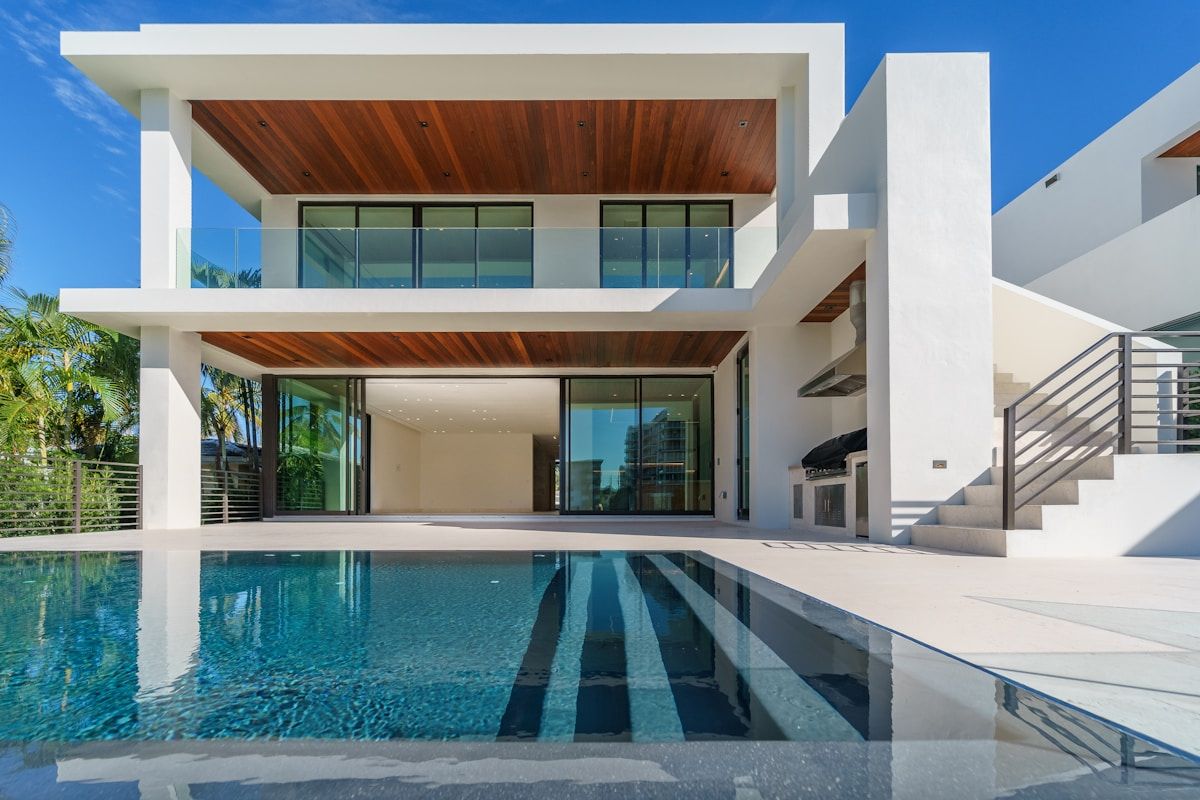
Villa interior design in Kerala spans a wide range — from practical standard-tier homes to fully bespoke luxury projects. Understanding what each investment level delivers helps you plan a villa interior that is appropriate for your family and your budget without unrealistic expectations on either side.

Key takeaway

A villa interior must create genuine zones — formal drawing room, family living, study, dedicated dining, and outdoor spaces. Large rooms in villas need thoughtful furniture scale and layered lighting to feel complete. The most common villa interior mistake is under-furnishing large rooms.

What Makes a Villa Interior Different From an Apartment

  • Scale — villa rooms are typically 30 to 50% larger than apartment equivalents. Standard apartment-scale furniture looks undersized and the room feels empty.
  • Multiple living zones — a villa typically has a formal drawing room, a family living area, and sometimes a study or media room. Each zone needs its own design identity.
  • Ceiling height — Kerala villas typically have 10 to 14 foot ceilings. This changes the proportions of false ceilings, curtains, wardrobes, and all vertical elements.
  • Outdoor integration — sit-outs, courtyards, and garden areas are part of the villa interior brief. Outdoor furniture, boundary treatment, and transition zones need design attention.
  • Staff quarters and utility areas — larger villas include staff rooms, utility areas, and garages that need functional interior treatment.

Villa Interior Investment Tiers

Tier What it includes Material approach Who it suits
Standard Modular kitchen, wardrobes in all bedrooms, TV units, basic false ceiling IS:303 BWR plywood, membrane shutters, certified hardware Practical first villa — complete and functional
Premium Full above scope plus designer false ceilings, feature walls, custom furniture, layered lighting Same carcass standard, acrylic/PU shutters, imported accessories Upgrade villa where aesthetics matter significantly
Luxury Bespoke everything — custom millwork, imported stone, designer lighting, landscaping coordination Fully custom, no catalogue selections, architect-led design Prestige residence or investment property

Kerala Villa Interior — Room-by-Room Priority

Room Villa-specific consideration Priority
Formal drawing room Scale of furniture, ceiling height proportion, formal lighting High — first impression room
Family living Comfortable, TV-oriented, casual seating, good ventilation High — most used daily
Modular kitchen Full scope — larger villa kitchens often have island or U-shape Highest — same logic as any Kerala home
Master bedroom suite Walk-in wardrobe, attached bathroom, sit-out access High — primary private space
Guest bedrooms Comfortable and complete — guests judge the villa by the guest room Medium-high
Study or home office Acoustic separation from main areas, good desk lighting, AV Medium
Sit-out and courtyard Weather-resistant furniture, evening lighting, plant integration Medium
Utility and service areas Durable and easy-clean — functional only Low
💡 Expert tip: In a Kerala villa, invest significantly in the formal drawing room ceiling design. A well-designed drawing room false ceiling with cove lighting, chandeliers, and correct proportions is the single element most noticed and most commented on by guests. This room creates the first impression of the entire villa.

Outdoor Spaces in Kerala Villas

The sit-out (verandah) and any courtyard or garden area are genuinely part of the villa interior brief. Weather-resistant outdoor furniture, evening lighting on the sit-out, and a transition zone between indoors and outdoors that handles Kerala’s monsoon (with a covered overhang and drainage) make a significant difference to how the villa feels and functions year-round.

⚠️ Warning: Avoid using indoor furniture on uncovered outdoor sit-outs in Kerala. Standard indoor fabric and frame furniture deteriorates rapidly in monsoon conditions. Specify teak or powder-coated aluminium frames with solution-dyed acrylic fabric for any furniture exposed to monsoon rain.

Frequently asked questions

Q: How long does a complete villa interior take in Kerala?
A: A complete villa interior — all rooms, full scope — takes 75 to 100 days from design approval to handover. Larger villas or fully custom luxury projects take proportionally longer.
Q: Does BYTS Interior do villa projects outside Palakkad?
A: Yes. We serve villa projects across Palakkad, Thrissur, Kozhikode, Kochi, Malappuram, and Coimbatore. Our factory in Palakkad supplies all modular carpentry elements, and our installation team travels to the project location.
Q: What is the minimum size for a formal drawing room in a Kerala villa?
A: A formal drawing room in a Kerala villa should be at least 280 sq ft to accommodate the scale of furniture and ceiling design that the space warrants. Smaller spaces are better treated as a combined family living room rather than a formal drawing room.
Q: Can BYTS Interior coordinate with my architect on a villa project?
A: Yes. For villa projects, we coordinate our interior scope directly with the project architect. We provide our material specifications, fixing requirements, and installation sequencing to the architect to ensure our work integrates correctly with the civil and structural work.

Ready to transform your home?

Book a FREE site visit — Palakkad, Thrissur, Kozhikode & Coimbatore. Our senior team visits at no charge.

Book free consultation →
WhatsApp us

🏠

Design Team, BYTS Interior

10–20 years of combined interior design experience across Kerala and Tamil Nadu. All projects designed and manufactured at our Palakkad factory. Serving Palakkad, Thrissur, Kozhikode, Kochi & Coimbatore.

Disclaimer
The information shared in this article is based on BYTS Interior’s industry experience, project observations, and general interior design practices commonly followed in Kerala and South India. Project costs, timelines, material performance, approvals, and technical requirements may vary depending on site conditions, client preferences, market fluctuations, building structure, and local authority regulations. Readers are advised to consult qualified professionals before making financial, structural, or technical decisions based on this content.
False Ceiling Design in Kerala — Complete Homeowner Guide

False Ceiling Design in Kerala — Complete Homeowner Guide — BYTS Interior Palakkad Kerala

A false ceiling is one of the most transformative elements in Kerala home interiors — dramatically changing the feel of a room, creating lighting zones, and concealing electrical infrastructure. But it is also one of the most misunderstood — many homeowners discover the monsoon problem only after installation.

Key takeaway

Never install a gypsum false ceiling in any room with a history of roof leakage or seepage. Water from above destroys gypsum boards permanently and instantly. Resolve all roof waterproofing issues completely before any false ceiling installation begins.

False Ceiling Types for Kerala Homes

Type Material Kerala suitability Best use Key consideration
Gypsum board Gypsum plasterboard Good in rooms with no seepage history Living room, bedroom, dining Immediately destroyed by water — no roof seepage tolerance
PVC panels PVC planks or panels Excellent — fully waterproof Bathrooms, kitchens, utility areas Cannot match gypsum’s smooth finish quality
Grid/tile system Mineral fibre tiles Good Commercial offices, labs Shows grid lines — less premium appearance
Wooden strip/slat Teak or engineered wood Good in dry rooms Feature areas, study, lounge Requires dry, air-conditioned environment in Kerala
Stretch ceiling PVC membrane stretched on frame Good — waterproof Bathrooms, reception areas Higher cost, needs specialist installation
Aluminium strip Aluminium planks Excellent Garages, utility, exterior covered areas Industrial look — not suitable for living areas

The Critical Monsoon Warning for Kerala

Gypsum board false ceilings are the most popular choice in Kerala living rooms and bedrooms — and they are excellent when installed in rooms without roof seepage. The critical problem: a single instance of roof leakage or even sustained roof condensation causes permanent damage to a gypsum false ceiling. The boards swell, crack, and the surface finish is destroyed. Repair is expensive and often requires complete removal and reinstallation.

⚠️ Warning: Before installing any gypsum false ceiling in your Kerala home, have the roof slab tested during a rain event. Inspect for any seepage, staining, or moisture marks on the ceiling plaster. Resolve any waterproofing issues completely – and confirm the fix holds through at least one monsoon season – before installing the false ceiling. This one step prevents the most expensive and avoidable false ceiling problem in Kerala.

Gypsum False Ceiling — Designs That Work in Kerala

  • Perimeter cove ceiling — a cove (recessed ledge) at the wall-ceiling junction allows concealed LED strip lighting. The light bounces off the ceiling for a soft ambient glow. Most popular Kerala living room ceiling design.
  • Layered ceiling — two or more levels at different heights. Creates depth and visual interest. Works well in large living rooms and master bedrooms.
  • Tray ceiling — a recessed central section with a dropped border frame. Classic formal look — popular in Kerala drawing rooms.
  • Beam effect ceiling — applied wooden or PVC beam strips across a flat gypsum base. Gives a traditional or rustic character.
  • Coffered ceiling — a grid of recessed panels. Premium look, more complex installation — appropriate for villa drawing rooms.

False Ceiling and Vastu in Kerala

  • Avoid a false ceiling that creates a very low overhead in the centre of the room — vastu guidance prefers the centre of a room to feel open and unobstructed
  • Cove lighting at the perimeter keeps the centre of the room visually open — this aligns with vastu principles
  • The false ceiling height in bedrooms should be no lower than 9 feet for a comfortable sleep environment — 9 to 10 feet is the standard in Kerala apartments
  • Some vastu practitioners advise against false ceilings in the pooja room — if you prefer to follow this, keep the pooja room ceiling in its original plaster finish
💡 Expert tip: For Kerala bedrooms, consider a partial false ceiling rather than a full room ceiling. A rectangular panel above the bed with a cove lighting perimeter — leaving the rest of the room at full ceiling height — gives the warm lighting effect of a full false ceiling at lower cost and with less visual weight in the room.

Frequently asked questions

Q: How long does a false ceiling last in Kerala?
A: A gypsum false ceiling in a room with no roof seepage history typically lasts 15 to 20 years with normal maintenance — repainting every 5 to 7 years. If any roof seepage occurs, the ceiling is damaged immediately and significantly. PVC panel ceilings last 10 to 15 years depending on quality and UV exposure.
Q: Can I install a false ceiling on an old roof slab in Kerala?
A: Yes, provided the roof slab has been inspected and any seepage issues resolved. Old roof slabs in Kerala are more likely to have developed hairline cracks or waterproofing failures over time. Have a civil engineer assess the slab before committing to a false ceiling.
Q: What is the typical height for a false ceiling in Kerala apartments?
A: Standard Kerala apartment construction has floor-to-ceiling height of 10 to 11 feet. A false ceiling at 9 to 9.5 feet leaves 6 to 18 inches of plenum space for electrical infrastructure and light fixtures. Avoid going below 9 feet in living areas and bedrooms — it creates a heavy, enclosed feeling.
Q: Does BYTS Interior install false ceilings?
A: Yes. False ceiling design and installation is part of our complete interior scope. We coordinate the false ceiling design with the overall lighting plan and electrical requirements, and our installation team executes the complete scope.

Ready to transform your home?

Book a FREE site visit — Palakkad, Thrissur, Kozhikode & Coimbatore. Our senior team visits at no charge.

Book free consultation →
WhatsApp us

🏠

Design Team, BYTS Interior

10–20 years of combined interior design experience across Kerala and Tamil Nadu. All projects designed and manufactured at our Palakkad factory. Serving Palakkad, Thrissur, Kozhikode, Kochi & Coimbatore.

Disclaimer
The information shared in this article is based on BYTS Interior’s industry experience, project observations, and general interior design practices commonly followed in Kerala and South India. Project costs, timelines, material performance, approvals, and technical requirements may vary depending on site conditions, client preferences, market fluctuations, building structure, and local authority regulations. Readers are advised to consult qualified professionals before making financial, structural, or technical decisions based on this content.
Interior Design for Small Apartments in Kerala — Space-Saving Ideas That Work

Interior Design for Small Apartments in Kerala — Space-Saving Ideas That Work — BYTS Interior Palakkad Kerala

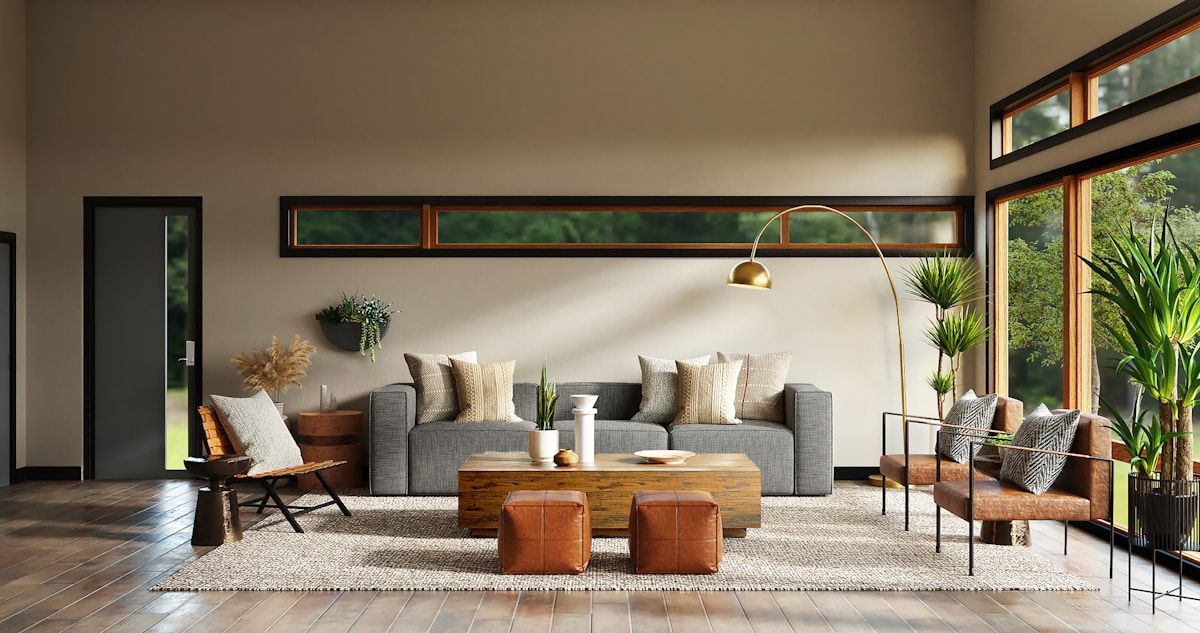
A small apartment in Kerala — a 1BHK of 450 to 600 sq ft or a compact 2BHK of 650 to 800 sq ft — can feel significantly larger than its physical dimensions if designed thoughtfully. The difference is almost entirely about storage efficiency and the relationship between furniture scale and room proportions.

Key takeaway

The single most impactful change in a small Kerala apartment is floor-to-ceiling storage. A floor-to-ceiling wardrobe provides 30% more storage than a standard height unit using the same floor footprint — and the vertical emphasis makes the ceiling feel higher, which makes the room feel larger.

Why Small Apartments in Kerala Need Specific Design Thinking

Small apartment design in Kerala faces a specific challenge: the same furniture catalogue and design choices that work in larger apartments are applied regardless of room size. A sofa that is proportionate in a 350 sq ft living room looks enormous in a 180 sq ft living room. The storage system designed for a 150 sq ft bedroom bedroom overwhelms a 110 sq ft bedroom.

5 Principles That Make Small Apartments Feel Larger

  1. Floor-to-ceiling storage everywhere — wardrobes, kitchen cabinets, TV units, and living room storage all extended to ceiling height. The vertical emphasis raises the perceived ceiling height and removes the visual clutter of the space above standard-height furniture.
  2. Light, wall colours — warm white or cream on walls. Colour is not the enemy of small spaces but dark or complex patterns reduce perceived volume. Save colour for one accent wall or for soft furnishings.
  3. Multi-functional furniture — beds with hydraulic storage drawers below, dining tables that fold against the wall, sofas with storage underneath, ottomans that double as coffee tables.
  4. Consistent flooring throughout — using the same flooring material across the entire apartment (kitchen, living, bedroom) without transition strips creates an unbroken visual field that reads as a single larger space.
  5. Mirrors used deliberately — a full-height mirror panel on one wall of a living room or bedroom visually doubles the perceived depth of the room. Position opposite a window for maximum daylight reflection.

Kitchen Design for Small Kerala Apartments

The kitchen is where small apartment design has the most impact. A compact L-shape or parallel kitchen with floor-to-ceiling upper cabinets and a properly planned work triangle can provide a complete, functional kitchen in as little as 60 to 80 sq ft.

  • Use the full height — upper cabinets should extend to the ceiling. The cabinet above the refrigerator is premium storage space that most compact kitchen designs leave as empty space.
  • Integrate the chimney into the upper cabinet design — a chimney that is flanked by upper cabinets on both sides is visually cleaner and creates more storage than one that stands alone.
  • Avoid a dining table in the kitchen if the kitchen opens to the living area — a breakfast counter built into the kitchen design at standing or bar stool height serves the same function in a fraction of the floor space.
  • Choose a compact 4-burner hob or a 3-burner hob if cooking for fewer than 4 people — the hob is the largest counter-space consumer in a small kitchen and a 3-burner option is fully functional for most Kerala households.
Space-saving choice Standard approach Space saved
Floor-to-ceiling wardrobe Standard height wardrobe 30% more storage per meter of floor length
Hydraulic storage bed Platform bed without storage Full under-bed volume as accessible storage
Fold-flat dining table 4-seater dining table always extended Up to 8 sq ft of floor space recovered when folded
Wall-mounted study desk Free-standing study desk Full floor footprint of desk recovered when folded up
Integrated kitchen chimney Free-standing range hood Cabinet space above and around hob recovered
💡 Expert tip: For small Kerala bedrooms under 120 sq ft, avoid placing the bed in the centre of the room. Place the bed against the longest wall — this leaves clear floor space on both sides for movement and makes the room feel significantly more spacious than a centred placement.

Lighting for Small Kerala Apartments

Good lighting makes a small apartment feel larger. The key is layering — ambient light from the ceiling, task light at work surfaces, and accent light that creates depth. A single central overhead light flattens a small room and makes it feel smaller. Three to four light sources at different heights create perceived depth.

⚠️ Warning: Never use dark wall colours in a small Kerala apartment to create a ‘cosy’ feel — it will make the space feel smaller and darker, especially in Kerala’s diffused natural light. Stick to warm white or cream on all walls and save colour for one accent element or soft furnishings.

Frequently asked questions

Q: What is the smallest space a modular kitchen can work in?
A: A functional modular kitchen can be installed in as little as 60 sq ft using a single-wall or compact parallel layout. The minimum for a comfortable two-person cooking kitchen is 80 sq ft with an L-shape or parallel layout.
Q: Can floor-to-ceiling wardrobes be installed in Kerala apartments?
A: Yes. Floor-to-ceiling wardrobes are completely practical in Kerala apartments and are installed in our projects regularly. They require the ceiling to be flat (or the wardrobe to accommodate a false ceiling profile) and a site measurement that accounts for any beam or duct in the ceiling zone. BYTS Interior takes precise measurements to ensure the wardrobe fits correctly to the full height.
Q: How do I make a small Kerala living room feel bigger?
A: Four changes with the most impact: use warm white on all walls, keep the floor consistent throughout (same tile from the entrance to the living room), add a full-height mirror on one wall, and choose furniture that is proportionate to the room scale rather than standard apartment-sized furniture.
Q: Does BYTS Interior do small apartment projects?
A: Yes. Small apartment projects are a significant part of our residential work. We design modular kitchens, wardrobes, and storage solutions specifically optimised for compact apartment sizes across Palakkad, Thrissur, Kochi, and Coimbatore.

Ready to transform your home?

Book a FREE site visit — Palakkad, Thrissur, Kozhikode & Coimbatore. Our senior team visits at no charge.

Book free consultation →
WhatsApp us

🏠

Design Team, BYTS Interior

10–20 years of combined interior design experience across Kerala and Tamil Nadu. All projects designed and manufactured at our Palakkad factory. Serving Palakkad, Thrissur, Kozhikode, Kochi & Coimbatore.

Disclaimer
The information shared in this article is based on BYTS Interior’s industry experience, project observations, and general interior design practices commonly followed in Kerala and South India. Project costs, timelines, material performance, approvals, and technical requirements may vary depending on site conditions, client preferences, market fluctuations, building structure, and local authority regulations. Readers are advised to consult qualified professionals before making financial, structural, or technical decisions based on this content.
Villa Interior Design in Palakkad — A Complete Local Guide

Villa Interior Design in Palakkad — A Complete Local Guide — BYTS Interior Palakkad Kerala

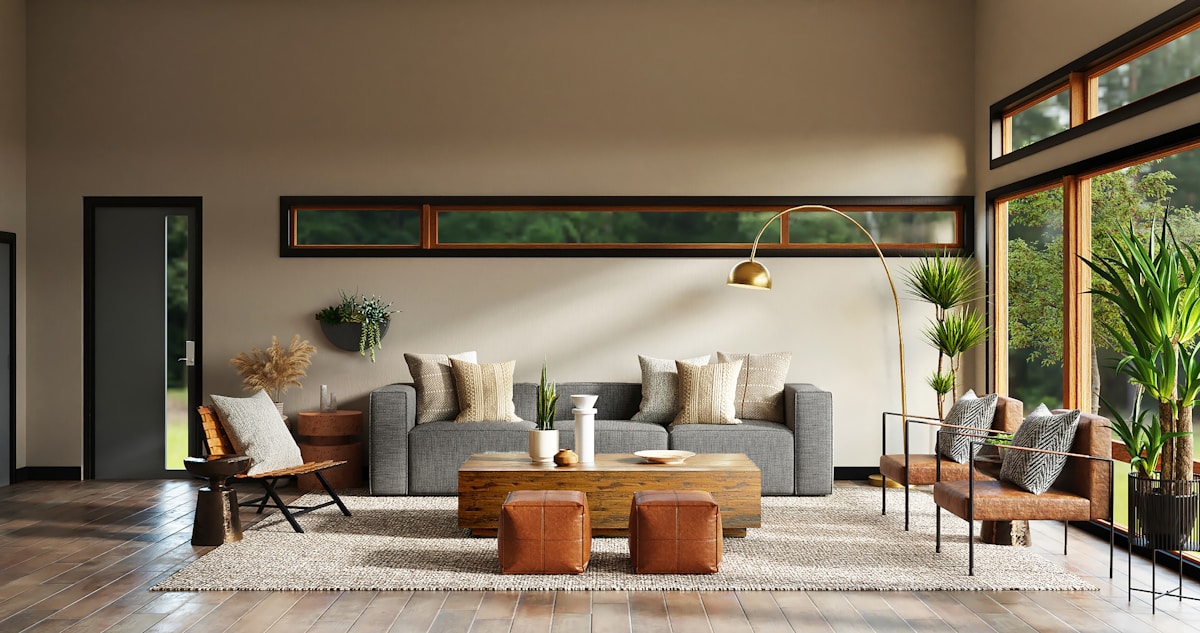
Palakkad’s villa market has grown significantly in residential areas including Chandranagar, Kalpathy, Kalmandapam, Kallekkad, and the areas toward Chittur. BYTS Interior’s studio and factory are both based in Palakkad — giving our clients a genuine local advantage that visiting firms from Kochi or Thrissur cannot provide.

Key takeaway

Our Palakkad location means we are a resident team, not a visiting firm. Site visits happen quickly. Material queries are resolved at the factory. After-sales support is local. This is not a marketing claim — it is a structural feature of how we work.

Palakkad Villa Market — What We Are Seeing

Villa construction in Palakkad has accelerated in the last 5 years, concentrated in areas to the north and east of Palakkad town — Chandranagar, Kalpathy, Kalmandapam, and the NH544 corridor toward Coimbatore. The typical Palakkad villa project involves a 3 to 5 bedroom independent house with a dedicated kitchen, formal drawing room, family living area, dining, and outdoor sit-out.

Palakkad villas have a specific climate context that differs from coastal Kerala. The Palakkad Gap — the natural wind channel through the Western Ghats — creates a distinct micro-climate: hotter summers, stronger winds, and a different humidity pattern than Thrissur or Kozhikode. Material specifications for Palakkad villas account for this.

Popular Residential Areas — BYTS Interior Palakkad Projects

Area Character Common project type
Chandranagar Established residential area near Palakkad town Villa renovation and complete interior projects
Kalpathy Heritage town area with traditional homes and new villas Mixed traditional and contemporary interior projects
Kalmandapam Growing residential area — newer constructions New villa interior complete projects
Kallekkad and Mankara road Expanding residential zones toward NH544 New villa and independent house projects
Palakkad town centre Commercial and mixed residential Office interiors, apartment projects
NH544 corridor (toward Coimbatore) Highway-adjacent residential zones Villa and apartment projects — also serves Coimbatore clients

The Local Factory Advantage for Palakkad Villa Projects

  • Site visits on the same day or next day — not scheduled weeks ahead like visiting firms
  • Material queries resolved at the factory — you can visit and see the actual boards before production begins
  • Delivery logistics are simple — factory to Palakkad site in under 30 minutes in most cases
  • Installation team based in Palakkad — they know the local labour context and work efficiently in Palakkad homes
  • After-sales service is genuinely local — a service call reaches you the same day or next day, not next week
📌 Key insight: Palakkad homeowners who have worked with both visiting firms (from Kochi or Thrissur) and local firms consistently report that the local firm advantage shows most clearly at the problem-solving stage – when something needs attention during installation or in the first year after handover. A local team responds faster and more cost-effectively.

Palakkad Villa Interior — What We Typically See in Project Briefs

  • Kitchen: L-shape or U-shape modular kitchen with island consideration in larger villa kitchens
  • Drawing room: formal false ceiling with chandelier, feature wall, quality flooring — first impression space
  • Family living: casual and comfortable — TV wall, sofa configuration, indoor plant zone
  • Master bedroom: walk-in wardrobe preference increasingly common in Palakkad villas, attached bathroom
  • Pooja room: dedicated pooja room in most Palakkad villa briefs — vastu-conscious design standard
  • Study or home office: increasingly included as a distinct room after 2020
  • Sit-out and compound: covered sit-out treatment, compound wall design, gate and approach lighting
💡 Expert tip: For Palakkad villa projects, plan the kitchen chimney duct before the false ceiling is installed. The chimney duct routing — from the chimney position to the exterior exhaust point — needs to be coordinated with the civil contractor during construction. Retrofitting a chimney duct through a completed false ceiling is expensive and disruptive.

Our Palakkad Design Process — From First Meeting to Handover

  1. First WhatsApp or phone consultation — same day response
  2. Site visit to your Palakkad home — typically within 48 hours
  3. 3D design presentation at our Palakkad studio or your home — within 10 to 14 days of site visit
  4. Material confirmation visit to our Palakkad factory — see actual boards before production
  5. Factory production at our Palakkad facility — 18 to 28 days for a complete villa scope
  6. Delivery and installation — our own team, Palakkad-based
  7. Handover with written 1-year service warranty and local service contact
⚠️ Warning: Never start a Palakkad villa interior project without a confirmed civil-readiness checklist. The most common cause of timeline overruns in Palakkad villa projects is interior work starting before civil work is complete – creating a stop-start installation cycle that adds 3 to 6 weeks.

Frequently asked questions

Q: Does BYTS Interior have a physical office in Palakkad?
A: Yes. Our design studio and production factory are both in Palakkad. We are a resident team — not a visiting firm from another city. You can visit our studio to see completed material samples and designs, and visit our factory to see production in progress.
Q: Which areas of Palakkad does BYTS Interior serve?
A: We serve all areas of Palakkad district — Palakkad town, Chandranagar, Kalpathy, Kalmandapam, Kallekkad, Chittur, Ottapalam, Shoranur, Mannarkkad, and surrounding areas. Site visits are free throughout Palakkad district.
Q: How long does a complete Palakkad villa interior take?
A: From first meeting to handover: 75 to 100 days for a complete villa interior. For a kitchen-only or single-room project: 22 to 35 days.
Q: Can I visit the BYTS Interior factory in Palakkad?
A: Yes — and we encourage it. Seeing your specific materials at the factory before cutting begins is the most effective way to ensure the final product is exactly what you specified. We welcome factory visits from all Palakkad clients.

Ready to transform your home?

Book a FREE site visit — Palakkad, Thrissur, Kozhikode & Coimbatore. Our senior team visits at no charge.

Book free consultation →
WhatsApp us

🏠

Design Team, BYTS Interior

10–20 years of combined interior design experience across Kerala and Tamil Nadu. All projects designed and manufactured at our Palakkad factory. Serving Palakkad, Thrissur, Kozhikode, Kochi & Coimbatore.

Disclaimer
The information shared in this article is based on BYTS Interior’s industry experience, project observations, and general interior design practices commonly followed in Kerala and South India. Project costs, timelines, material performance, approvals, and technical requirements may vary depending on site conditions, client preferences, market fluctuations, building structure, and local authority regulations. Readers are advised to consult qualified professionals before making financial, structural, or technical decisions based on this content.
Interior Design Trends in Kerala for 2026 — What We Are Seeing

Interior Design Trends in Kerala for 2026 — What We Are Seeing — BYTS Interior Palakkad Kerala

These are the interior design trends we are observing directly in our own completed projects across Palakkad, Thrissur, Kozhikode, and Coimbatore — not borrowed from Delhi or international publications that describe different climates and different home types.

Key takeaway

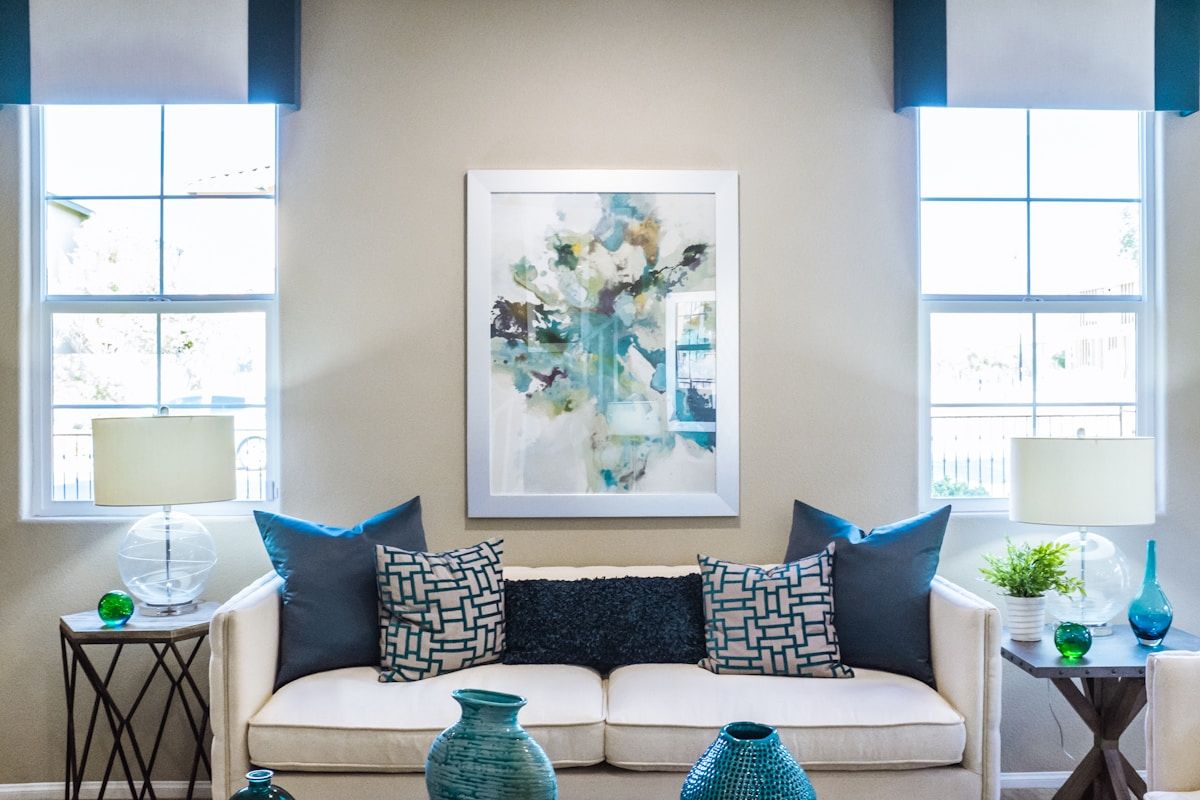
The strongest trend: warm minimalism replacing the sterile grey-and-white aesthetic of the 2010s. Terracotta, warm wood tones, and earthy greens align naturally with Kerala’s own material palette and design tradition.

Trend 1: Warm Minimalism Replacing Cold Minimalism

The dominant interior aesthetic of 2015 to 2022 in Kerala was cool grey walls, white kitchen cabinets, chrome hardware, and glass surfaces. This aesthetic is now giving way to warmer tones — cream and warm white walls, warm wood-tone kitchen shutters, matte black or antique brass hardware, and natural stone countertops.

This shift is not purely aesthetic — it also aligns better with Kerala’s natural light quality. Kerala’s warm, indirect tropical light makes cool grey interiors feel flat and dull. Warm cream and terracotta tones respond to Kerala’s light far more attractively.

Trend 2: Natural Materials and Textures

  • Rattan and cane elements — furniture with cane backing panels, rattan lampshades, cane chair backs. These materials are traditional to Kerala’s climate and craft heritage and are seeing a significant revival.
  • Textured wall finishes — microcement, Venetian plaster, and textured paint are replacing flat emulsion on feature walls.
  • Natural stone in kitchens — natural granite and quartzite countertops are preferred over engineered surfaces in premium projects.
  • Exposed brick accent walls — in both traditional and contemporary Kerala homes, a single exposed brick accent wall is a recurring choice in 2024 to 2025.
  • Teak and solid wood accents — teak ceiling beams, teak door surrounds, solid teak stair railings in villas — reconnecting with Kerala’s traditional material strength.

Trend 3: The Kitchen as a Social Space

The most significant functional change in Kerala home design in 2025 to 2026 is the opening up of the kitchen. Traditionally, the Kerala kitchen was a closed, private cooking space. The trend toward semi-open and fully open kitchens — connected to the dining or living area with a visual and social connection — is accelerating, particularly in villas and premium apartments.

Kitchen configuration Traditional Kerala Emerging trend 2025 to 2026
Kitchen openness Closed — separate room with door Semi-open with pass-through counter or breakfast bar
Visibility from dining None — wall separates Partial or full visibility — connected spaces
Chimney visibility Hidden inside closed kitchen Featured as design element in open kitchen
Countertop finish Practical stone — not a design focus Premium material — quartz, marble-look — visible from living area
Kitchen lighting Functional only Layered — task lighting plus ambient plus accent

Trend 4: Biophilic Elements

  • Indoor plants integrated into interior design — not as afterthoughts but as planned elements with designated space and lighting
  • Green walls or plant panels in living rooms and office receptions
  • Large format botanical artwork on walls
  • Natural light maximisation — clear glass partitions, skylights, window enlargement where structurally possible
  • Outdoor rooms — covered sit-outs that function as additional living space across all seasons including monsoon

Trend 5: Personalisation Over Catalogue

The trend we observe most consistently across all project types in 2025: clients want interiors that reflect their family, not a showroom. This means more personalised colour choices, more custom furniture rather than catalogue pieces, more incorporation of inherited or meaningful objects into the interior design, and more resistance to the generic “complete interior package” approach.

💡 Expert tip: The best Kerala interior designs of 2025 and 2026 share one characteristic: they look like they belong to the family that lives in them, not to a generic interior studio catalogue. When briefing your designer, share what matters to your family — how you cook, how you entertain, what you collect, what you inherit — and insist that the design reflects these things.
⚠️ Warning: Never select interior design trends from Delhi or Mumbai publications for Kerala homes without adaptation. Kerala’s climate, material market, and light quality are fundamentally different. A trend that works beautifully in a dry climate can fail — aesthetically and materially — in Kerala’s humidity.

Frequently asked questions

Q: What colour palettes are most popular in Kerala homes in 2026?
A: Based on our 2024 to 2025 projects: warm cream and warm white for primary walls, dusty sage green or terracotta as accent wall colours, warm wood tones (teak, walnut) for kitchen and wardrobe shutters, and matte black or antique brass for hardware. Cool grey has largely been replaced by these warmer alternatives.
Q: Is the open kitchen trend appropriate for Kerala homes?
A: The semi-open kitchen (with a breakfast bar or pass-through counter rather than a full wall removal) works well in most Kerala homes. A fully open kitchen requires very good chimney performance and ventilation to manage cooking odours and steam in the living area — which is manageable in most Kerala homes with a quality chimney installation.
Q: Are rattan and cane materials practical in Kerala humidity?
A: Yes — rattan and cane are Kerala’s traditional materials and were used for centuries in this climate. Quality rattan furniture with a lacquer or resin coating handles Kerala humidity well. Avoid low-quality rattan that uses low-grade bindings that swell and loosen in monsoon humidity.
Q: What makes a Kerala interior design feel contemporary in 2025 to 2026?
A: Warm minimalism with natural materials, layered lighting rather than a single overhead light, one or two high-quality statement pieces rather than many small decorative items, and a colour palette built around warm neutrals with one carefully chosen accent colour.

Ready to transform your home?

Book a FREE site visit — Palakkad, Thrissur, Kozhikode & Coimbatore. Our senior team visits at no charge.

Book free consultation →
WhatsApp us

🏠

Design Team, BYTS Interior

10–20 years of combined interior design experience across Kerala and Tamil Nadu. All projects designed and manufactured at our Palakkad factory. Serving Palakkad, Thrissur, Kozhikode, Kochi & Coimbatore.

Disclaimer
The information shared in this article is based on BYTS Interior’s industry experience, project observations, and general interior design practices commonly followed in Kerala and South India. Project costs, timelines, material performance, approvals, and technical requirements may vary depending on site conditions, client preferences, market fluctuations, building structure, and local authority regulations. Readers are advised to consult qualified professionals before making financial, structural, or technical decisions based on this content.
Restaurant and Cafe Interior Design in Kerala

Restaurant and Cafe Interior Design in Kerala — BYTS Interior Palakkad Kerala

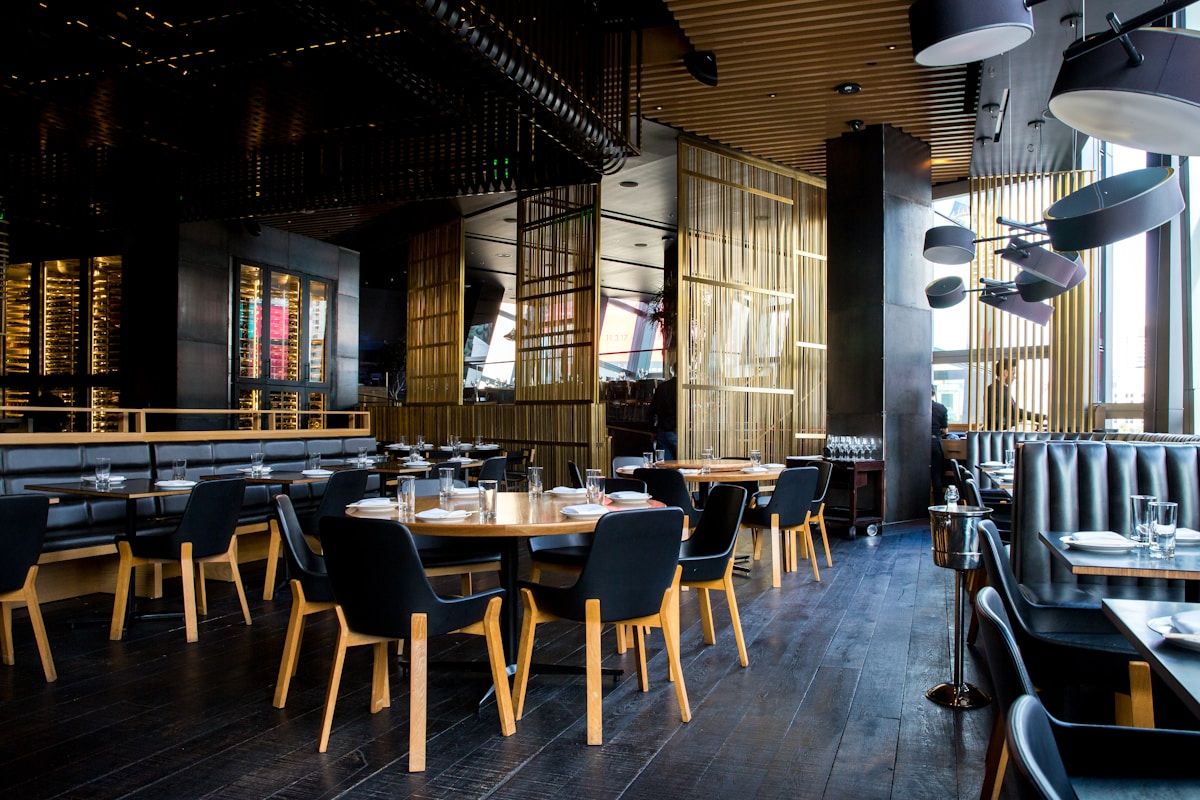
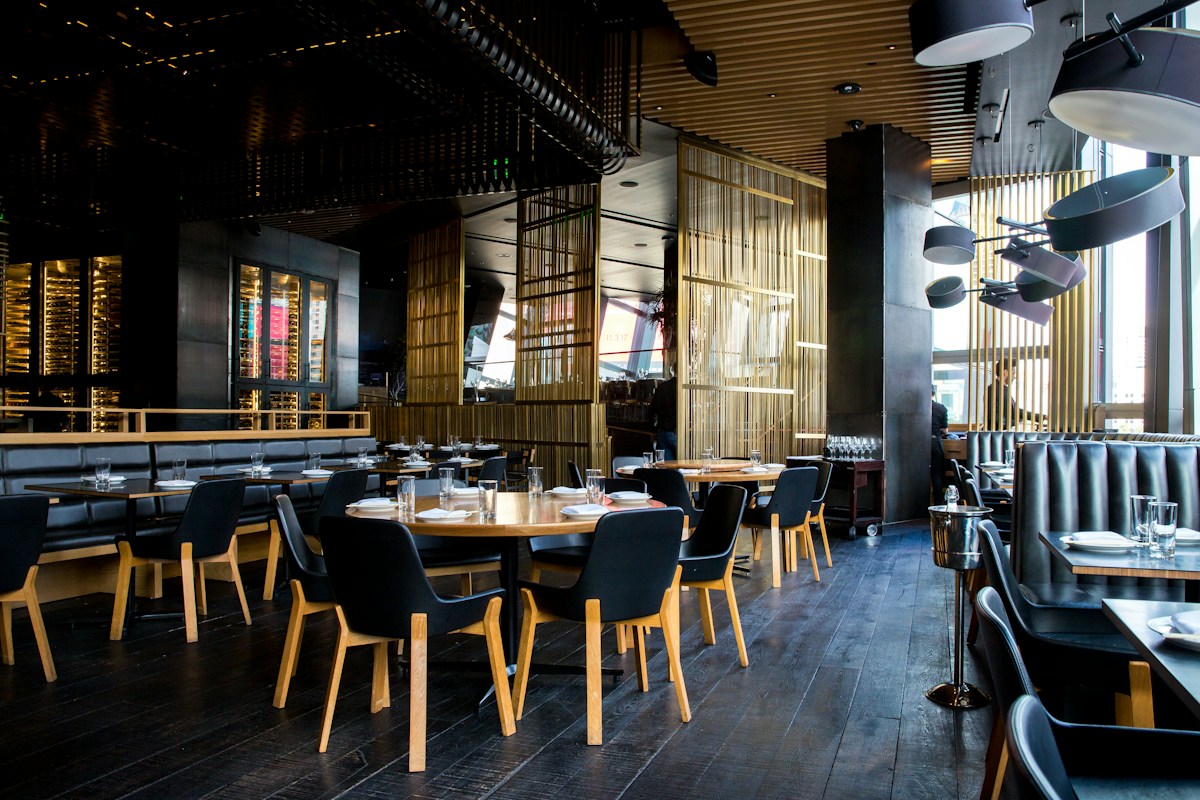
Restaurant interior design in Kerala is a commercial design discipline with specific requirements — customer flow, acoustics, commercial kitchen planning, and a design concept that makes people want to return. The most successful Kerala restaurant interiors balance these functional requirements with a clear and consistent design identity.

Key takeaway

The most underinvested element in Kerala restaurant design is acoustics. Noise is the primary reason diners do not return to an otherwise good restaurant. Acoustic treatment is an investment that pays back directly in customer retention — and yet it is almost never included in the initial restaurant interior brief.

What Restaurant Interior Design in Kerala Involves

A restaurant interior project is significantly different from a residential project. The brief must account for: commercial kitchen design (hygiene, workflow, commercial equipment specifications), dining area layout (table count, cover optimisation, customer flow), service stations, toilets to commercial standards, and a consistent design theme carried through every element from the entrance to the menu holder.

Restaurant Themes Popular in Kerala 2024 to 2026

Theme Design approach Best for
Contemporary Kerala Warm wood, terracotta tones, traditional craft elements modernised Kerala cuisine restaurants, family dining
Industrial minimal Exposed brick, metal furniture, concrete surfaces, Edison bulb lighting Cafes, fast casual, youth-oriented
Tropical garden Indoor plants, rattan, natural light maximisation, botanical graphics Cafes, health-focused restaurants, rooftop spaces
Heritage Kerala Traditional architecture references, antique elements, traditional flooring Authentic Kerala cuisine — premium positioning
International minimal Clean white or grey, graphic menus, statement lighting International cuisine, quick service, urban market
Beach and coastal Weathered wood, blue and white, nautical elements, natural textures Coastal locations, seafood restaurants

Commercial Kitchen Planning

A commercial kitchen for a Kerala restaurant must comply with FSSAI food safety requirements. The layout must separate receiving, preparation, cooking, service, and washing zones. The floor must be non-slip with floor drainage. All surfaces in the cooking zone must be stainless steel. Ventilation must handle the volume of cooking without allowing smoke or steam to enter the dining area.

  • Receiving area: where deliveries are accepted and initial storage allocation happens
  • Dry storage: ambient temperature storage for dry goods, sealed against pests
  • Cold storage: refrigeration and freezer units — sized to the restaurant’s menu and cover count
  • Preparation area: separate vegetarian and non-vegetarian preparation if required by FSSAI
  • Cooking line: commercial hobs, tandoor if applicable, fryers, commercial oven
  • Hot holding: heated service containers for prepared dishes waiting to be plated
  • Plating and pass: where dishes are assembled and handed to service staff
  • Wash area: commercial dishwasher, pot washing, separate from preparation zones
📌 Key insight: The most common commercial kitchen design mistake in Kerala restaurants: insufficient ventilation capacity. Commercial kitchen exhaust systems must be sized for the peak cooking load – not the average load. An undersized exhaust system creates a hot, smoky kitchen environment that affects staff comfort, food quality, and in severe cases, the dining area.

Acoustics — the Element Every Restaurant Gets Wrong

A restaurant with 40 covers, hard floor surfaces, hard wall surfaces, and no acoustic treatment will be uncomfortably loud at 60% capacity. The noise level at full capacity makes conversation difficult and drives customers out faster — and prevents them from returning.

  • Acoustic ceiling panels or baffles above tables — the highest-impact single acoustic intervention
  • Upholstered seating — sofas and upholstered chairs absorb significantly more sound than metal or hard plastic chairs
  • Table linen — fabric tablecloths absorb sound at the table level
  • Soft wall surfaces — fabric panels, textured acoustic wall treatments, or booth seating with upholstered backs
  • Planting — large indoor plants are effective acoustic absorbers and add to a pleasant atmosphere
💡 Expert tip: The easiest acoustic intervention for a Kerala restaurant that is already built: specify upholstered bench seating along at least two walls, and add hanging acoustic baffles (fabric-covered panels) above the dining area. These two changes can reduce ambient noise levels by 8 to 12 decibels — the difference between comfortable conversation and shouting.
⚠️ Warning: Never underestimate the acoustic requirement for a Kerala restaurant. Hard floors, hard walls, and no sound absorption at 60% seating capacity creates a noise level that makes conversation difficult and drives customers out faster – and prevents them returning. Budget for acoustic treatment before opening.

Frequently asked questions

Q: Does BYTS Interior do restaurant and cafe interior projects in Kerala?
A: Yes. We design and execute restaurant, cafe, and commercial interior projects in Palakkad, Thrissur, Kozhikode, Kochi, and Coimbatore. Our factory-direct production is particularly suited to restaurant projects where consistent quality across many identical elements — chairs, counters, service stations — is required.
Q: What are the minimum FSSAI requirements for a commercial kitchen in Kerala?
A: FSSAI requirements for commercial food service premises include: separate zones for food preparation and washing, non-porous easy-clean surfaces in all food contact areas, non-slip flooring with drainage, adequate ventilation and pest control, and hygienic facilities for staff. Full FSSAI compliance requirements are available on the FSSAI website and should be confirmed with your local health authority before fit-out begins.
Q: How long does a restaurant interior fit-out take in Kerala?
A: A standard restaurant interior of 1,000 to 2,000 sq ft takes 45 to 60 days from design approval to opening-ready handover. Larger venues or venues with complex commercial kitchen requirements take proportionally longer.
Q: What is the most cost-effective improvement for an existing Kerala restaurant?
A: For a restaurant with an existing interior that is underperforming, the highest return improvements are: acoustic treatment (immediately improves guest experience), lighting redesign (dramatically changes atmosphere at relatively low cost), and furniture replacement (updated chairs and seating update the entire visual impression).

Ready to transform your home?

Book a FREE site visit — Palakkad, Thrissur, Kozhikode & Coimbatore. Our senior team visits at no charge.

Book free consultation →
WhatsApp us

🏠

Design Team, BYTS Interior

10–20 years of combined interior design experience across Kerala and Tamil Nadu. All projects designed and manufactured at our Palakkad factory. Serving Palakkad, Thrissur, Kozhikode, Kochi & Coimbatore.

Disclaimer
The information shared in this article is based on BYTS Interior’s industry experience, project observations, and general interior design practices commonly followed in Kerala and South India. Project costs, timelines, material performance, approvals, and technical requirements may vary depending on site conditions, client preferences, market fluctuations, building structure, and local authority regulations. Readers are advised to consult qualified professionals before making financial, structural, or technical decisions based on this content.
Interior Design Payment and Financing Options in Kerala

Interior Design Payment and Financing Options in Kerala — BYTS Interior Palakkad Kerala

A home interior project is a significant financial commitment. Multiple financing options are available to Kerala homeowners — from bank home improvement loans to top-up loans on existing home loans to payment plans from the interior firm itself. Understanding each option helps you choose the most cost-effective approach for your situation.

Key takeaway

The most cost-effective financing for a Kerala interior project is a top-up loan on your existing home loan — typically at a lower interest rate than a fresh personal loan. Ask your home loan bank about this option before applying for a separate personal loan.

Financing Options Available in Kerala

Option Who offers it Typical interest rate Loan tenure Best for
Home loan top-up Your existing home loan bank Low — similar to home loan rate Up to 15 to 20 years Best option if you have an existing home loan
Home improvement loan Banks and HFCs Low to mid range 5 to 15 years Good option — specifically designed for this use
Personal loan Banks, NBFCs, fintech lenders Higher 1 to 5 years Fast access — but higher cost over the tenure
Credit card EMI Your credit card provider Variable — check processing fees 3 to 24 months Small amounts or when other options not available
Interior firm payment plan BYTS Interior or other firm No interest — milestone-based Project duration Standard structure — not a loan but a phased payment schedule
Gold loan Banks and NBFCs Mid range Short tenure Quick access to funds — not ideal for long-tenure projects

The Top-Up Home Loan — Why It Is the Best Option

If you have an existing home loan on the property you are furnishing, your bank can offer a “top-up” loan — additional borrowing on top of your existing home loan balance. The interest rate on a top-up loan is typically similar to your home loan rate — significantly lower than a personal loan or credit card EMI. The repayment is added to your existing EMI.

  • Eligibility: you must have an existing home loan with a good repayment track record
  • The property must be the same as the home loan security
  • Documentation is simpler than a fresh loan — the bank already knows your credit profile
  • Disbursement can be fast — sometimes within 3 to 5 working days for an existing customer

Home Improvement Loans — the Direct Option

Banks and housing finance companies (HFCs) offer specific home improvement loans — loans explicitly for interior renovation, modular kitchen installation, and home furnishing. Interest rates are typically between home loan rates and personal loan rates. Most major banks — SBI, HDFC, ICICI, Canara — offer this product.

  • Documentation required: proof of property ownership, income proof, renovation quotation from the interior firm
  • The loan amount is typically capped at a percentage of the property value
  • Some banks require the loan to be disbursed directly to the contractor rather than the homeowner

Standard Payment Structure at BYTS Interior

BYTS Interior uses a milestone-based payment structure for all projects. This is not a financing arrangement — it is a structured payment schedule that protects both parties:

  1. 30% on signing the design agreement — covers design costs and initiates the production slot booking
  2. 40% on completion of factory production — confirmed by production completion photographs shared with the client
  3. 30% on installation handover — final payment once all punch-list items are cleared and handover is signed
💡 Expert tip: Do not pay more than 30 to 40% upfront to any interior firm before production begins. A firm that requires 60 to 70% or more upfront is either poorly capitalised or poorly managed. Legitimate interior firms — including BYTS Interior — have enough working capital to begin production on a 30% advance.

What to Verify Before Taking an Interior Loan

  • Get a detailed itemised quotation before applying for a loan — the loan amount should be based on a final signed quotation, not an estimate
  • Confirm what is included in the quotation — civil work, GST, delivery, and installation — so the loan amount covers the complete project cost
  • Check the processing fee and prepayment penalty — some personal loans have high processing fees that add to the effective cost
  • If the interior firm has a relationship with a specific lender, understand the terms independently before accepting — do not assume a firm-recommended lender is the best option for your situation
⚠️ Warning: Never take a home improvement loan from a lender recommended by your interior firm without independent comparison. Firm-recommended lenders may offer less favourable terms. Compare at least 2 to 3 options independently – your bank, a housing finance company, and one other – before committing.

Frequently asked questions

Question: Can I use my home loan to pay for the interior design of my new home in Kerala?
Answer: Home loans in India are typically disbursed in tranches linked to construction progress. Some banks allow the final tranche of the home loan to cover interior and furnishing costs — ask your bank specifically about this. Alternatively, a home improvement loan or top-up loan is the most appropriate product for interior design financing.
Question: How much can I borrow for a home improvement loan in Kerala?
Answer: Home improvement loan amounts vary by bank and by your income eligibility. Most banks offer home improvement loans from 1 lakh to 30 lakh — sufficient for most Kerala interior projects. The loan amount is subject to your income eligibility and the bank’s assessment of your repayment capacity.
Question: Does BYTS Interior provide any financing support?
Answer: We provide GST-compliant invoices and a milestone-based payment structure that works with most bank loan disbursement processes. We can provide project quotations in the format required by banks for loan processing. We do not directly offer loans or financing — we recommend homeowners explore bank options independently.
Question: What documents does a bank need to process a home improvement loan?
Answer: Typically: proof of property ownership (sale deed or registered document), income proof (salary slips, ITR, or business income proof), bank statements for the last 6 months, the interior design quotation or contract, and a passport-size photograph with identity and address proof. Specific requirements vary by bank.

Ready to transform your home?

Book a FREE site visit — Palakkad, Thrissur, Kozhikode & Coimbatore. Our senior team visits at no charge.

Book free consultation →
WhatsApp us

🏠

Design Team, BYTS Interior

10–20 years of combined interior design experience across Kerala and Tamil Nadu. All projects designed and manufactured at our Palakkad factory. Serving Palakkad, Thrissur, Kozhikode, Kochi & Coimbatore.

Disclaimer
The information shared in this article is based on BYTS Interior’s industry experience, project observations, and general interior design practices commonly followed in Kerala and South India. Project costs, timelines, material performance, approvals, and technical requirements may vary depending on site conditions, client preferences, market fluctuations, building structure, and local authority regulations. Readers are advised to consult qualified professionals before making financial, structural, or technical decisions based on this content.
``` Get Free Estimate