
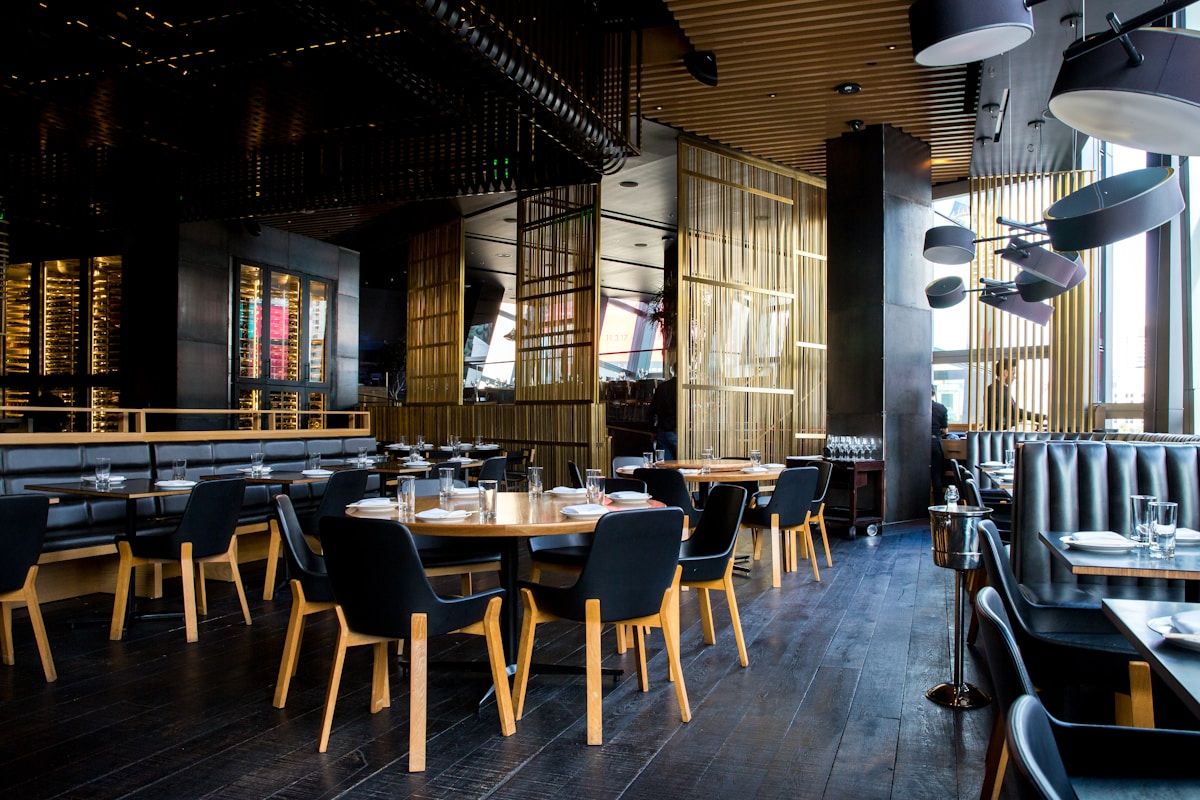
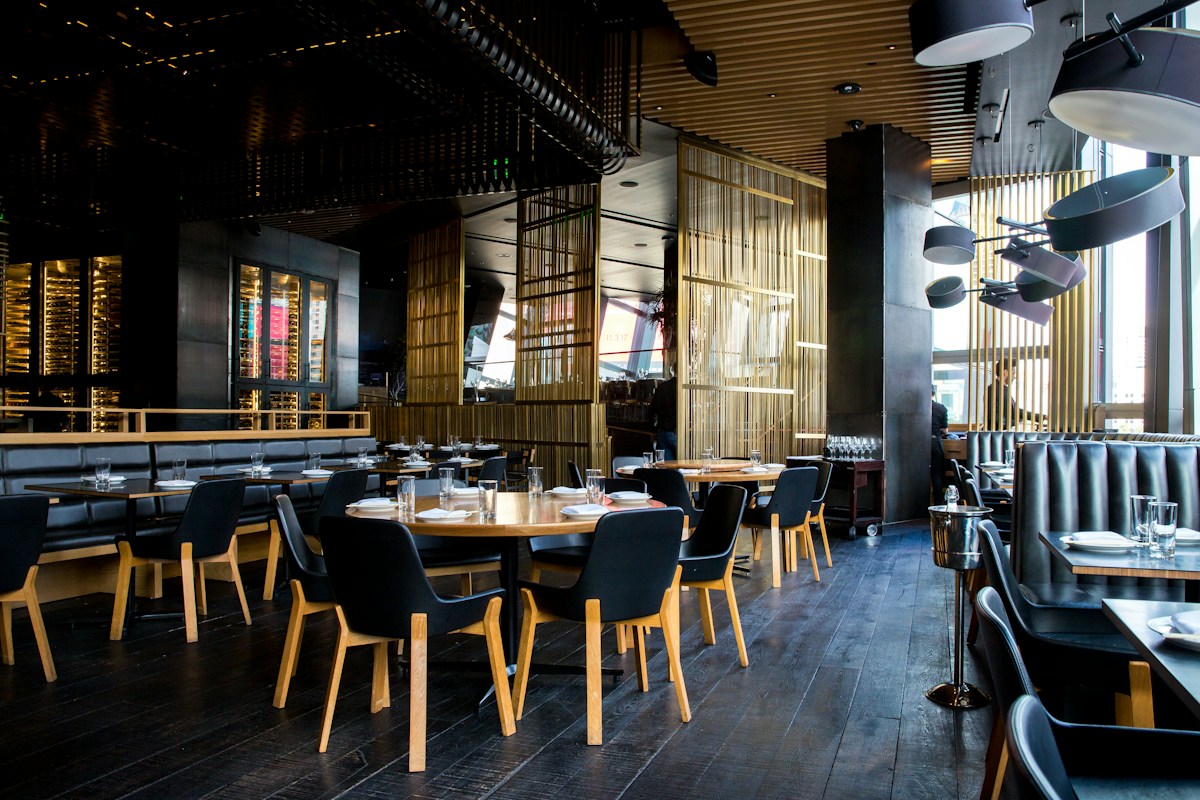
Restaurant interior design in Kerala is a commercial design discipline with specific requirements — customer flow, acoustics, commercial kitchen planning, and a design concept that makes people want to return. The most successful Kerala restaurant interiors balance these functional requirements with a clear and consistent design identity.
The most underinvested element in Kerala restaurant design is acoustics. Noise is the primary reason diners do not return to an otherwise good restaurant. Acoustic treatment is an investment that pays back directly in customer retention — and yet it is almost never included in the initial restaurant interior brief.
What Restaurant Interior Design in Kerala Involves
A restaurant interior project is significantly different from a residential project. The brief must account for: commercial kitchen design (hygiene, workflow, commercial equipment specifications), dining area layout (table count, cover optimisation, customer flow), service stations, toilets to commercial standards, and a consistent design theme carried through every element from the entrance to the menu holder.
Restaurant Themes Popular in Kerala 2024 to 2026
| Theme | Design approach | Best for |
|---|---|---|
| Contemporary Kerala | Warm wood, terracotta tones, traditional craft elements modernised | Kerala cuisine restaurants, family dining |
| Industrial minimal | Exposed brick, metal furniture, concrete surfaces, Edison bulb lighting | Cafes, fast casual, youth-oriented |
| Tropical garden | Indoor plants, rattan, natural light maximisation, botanical graphics | Cafes, health-focused restaurants, rooftop spaces |
| Heritage Kerala | Traditional architecture references, antique elements, traditional flooring | Authentic Kerala cuisine — premium positioning |
| International minimal | Clean white or grey, graphic menus, statement lighting | International cuisine, quick service, urban market |
| Beach and coastal | Weathered wood, blue and white, nautical elements, natural textures | Coastal locations, seafood restaurants |
Commercial Kitchen Planning
A commercial kitchen for a Kerala restaurant must comply with FSSAI food safety requirements. The layout must separate receiving, preparation, cooking, service, and washing zones. The floor must be non-slip with floor drainage. All surfaces in the cooking zone must be stainless steel. Ventilation must handle the volume of cooking without allowing smoke or steam to enter the dining area.
- Receiving area: where deliveries are accepted and initial storage allocation happens
- Dry storage: ambient temperature storage for dry goods, sealed against pests
- Cold storage: refrigeration and freezer units — sized to the restaurant’s menu and cover count
- Preparation area: separate vegetarian and non-vegetarian preparation if required by FSSAI
- Cooking line: commercial hobs, tandoor if applicable, fryers, commercial oven
- Hot holding: heated service containers for prepared dishes waiting to be plated
- Plating and pass: where dishes are assembled and handed to service staff
- Wash area: commercial dishwasher, pot washing, separate from preparation zones
Acoustics — the Element Every Restaurant Gets Wrong
A restaurant with 40 covers, hard floor surfaces, hard wall surfaces, and no acoustic treatment will be uncomfortably loud at 60% capacity. The noise level at full capacity makes conversation difficult and drives customers out faster — and prevents them from returning.
- Acoustic ceiling panels or baffles above tables — the highest-impact single acoustic intervention
- Upholstered seating — sofas and upholstered chairs absorb significantly more sound than metal or hard plastic chairs
- Table linen — fabric tablecloths absorb sound at the table level
- Soft wall surfaces — fabric panels, textured acoustic wall treatments, or booth seating with upholstered backs
- Planting — large indoor plants are effective acoustic absorbers and add to a pleasant atmosphere
Frequently asked questions
Ready to transform your home?
Book a FREE site visit — Palakkad, Thrissur, Kozhikode & Coimbatore. Our senior team visits at no charge.
Design Team, BYTS Interior
10–20 years of combined interior design experience across Kerala and Tamil Nadu. All projects designed and manufactured at our Palakkad factory. Serving Palakkad, Thrissur, Kozhikode, Kochi & Coimbatore.
The information shared in this article is based on BYTS Interior’s industry experience, project observations, and general interior design practices commonly followed in Kerala and South India. Project costs, timelines, material performance, approvals, and technical requirements may vary depending on site conditions, client preferences, market fluctuations, building structure, and local authority regulations. Readers are advised to consult qualified professionals before making financial, structural, or technical decisions based on this content.