
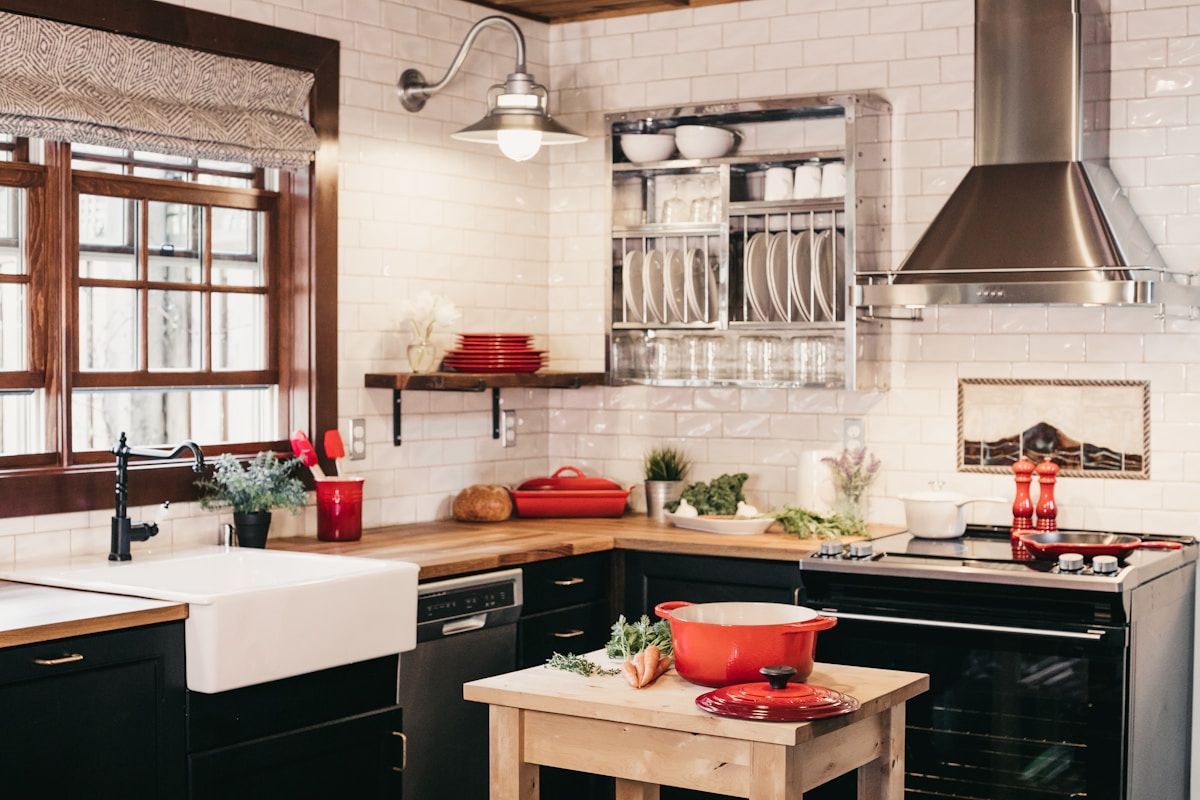
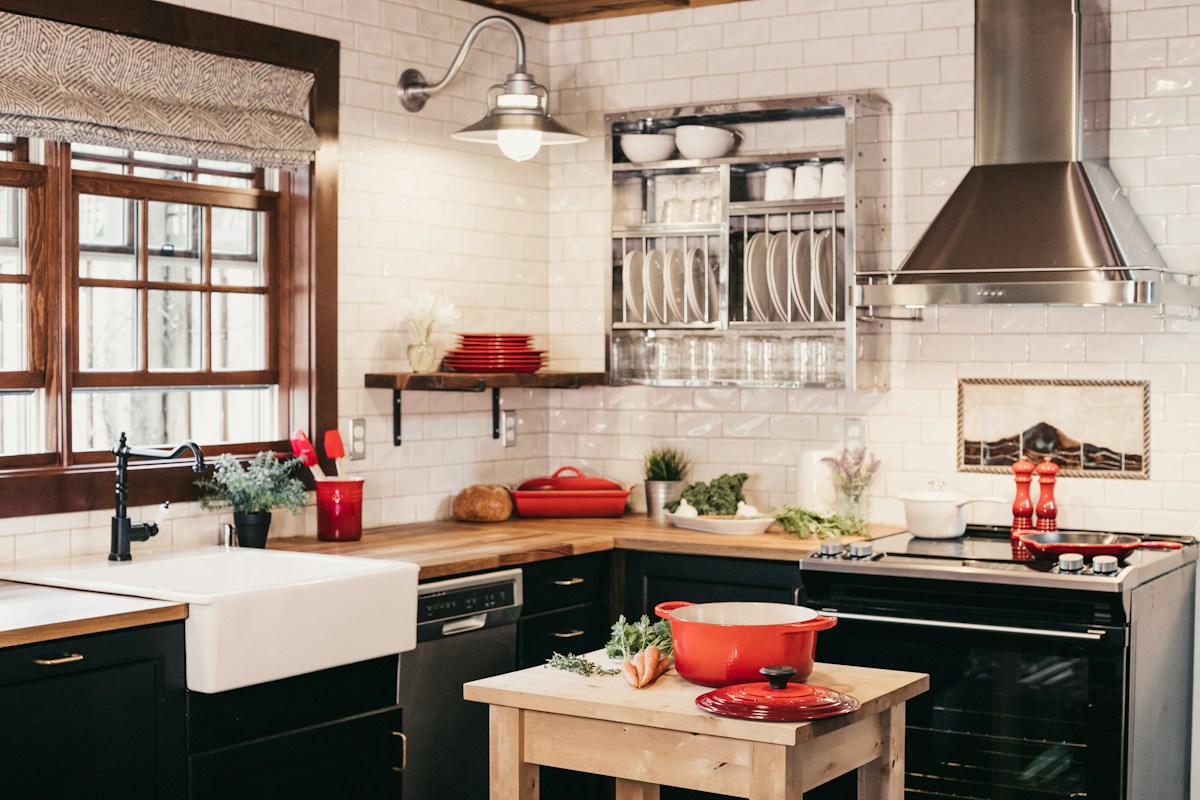
Vastu Shastra is a meaningful consideration for many Kerala homeowners — and the good news is that a modular kitchen can be fully vastu-compliant without compromising modern design or daily functionality. Our Palakkad designers include vastu-conscious layout planning for all Kerala clients at no additional charge.
Most vastu requirements for a kitchen — cooking direction, sink placement, refrigerator position, colour choices — are fully achievable within standard L-shape, U-shape, and parallel modular layouts. Vastu and modern modular design are not in conflict.
Why Vastu and Modular Kitchens Work Well Together
Traditional vastu guidance for kitchens focuses on zone placement (where the kitchen is in the home), orientation (which direction the cook faces), and element positions (where fire, water, and earth elements are placed). All of these are layout considerations — and modular kitchens are precisely about optimising layout. A skilled modular kitchen designer who understands vastu principles can incorporate both seamlessly.
Key Vastu Principles for Kerala Kitchens
| Element | Vastu Principle | How We Apply It |
|---|---|---|
| Kitchen location | South-east corner of the home is ideal | Discussed at initial site visit — worked into floor plan where possible |
| Cooking direction | Cook should face east while cooking | Hob placed on east-facing wall where possible in L-shape and parallel layouts |
| Sink placement | North-east corner preferred for water element | Achievable in most L-shape and parallel layouts |
| Refrigerator position | South-west or west — earth element | Standard placement in most modular kitchen configurations |
| Microwave and appliances | South-east — fire element zone | Positioned on the south-east counter section |
| Storage | West and south walls for heavy storage | Upper cabinets on west and south walls |
| Colours | Warm tones — yellow, cream, orange, white — preferred | Applied through shutter colour and wall paint selection |
| Clutter | No clutter above cooking platform | Open shelf design above hob avoided in vastu-conscious layouts |
When Apartment Configurations Limit Ideal Vastu Placement
Many apartment configurations in Palakkad, Thrissur, and Kochi have kitchens in fixed locations that may not align with the ideal vastu corner. In these cases, our designers focus on the internal vastu adjustments — cooking direction, sink quadrant, colour choices, and appliance placement — which provide meaningful vastu alignment within the available space.
Colours That Work — Vastu and Design Together
- Yellow — the most vastu-auspicious kitchen colour, and a warm, functional choice for Kerala homes
- Cream and off-white — clean, practical, and vastu-neutral — the most popular shutter choice in our Kerala projects
- Orange tones — warm and positive, works well as an accent colour for kitchen walls
- Green — acceptable for upper units or accents but avoid dark green on lower cabinets in vastu guidance
- Red and dark tones — generally avoided in vastu-conscious Kerala kitchen design
Pooja Room Vastu — the Connection to Kitchen Design
In many Kerala homes, the pooja room or altar corner is adjacent to or visible from the kitchen. Our designers consider the relationship between the kitchen and pooja space when planning the overall layout — particularly the cooking orientation and the visual line between the two spaces.
Frequently asked questions
Ready to transform your home?
Book a FREE site visit — Palakkad, Thrissur, Kozhikode & Coimbatore. Our senior team visits at no charge.
Design Team, BYTS Interior
10–20 years of combined interior design experience across Kerala and Tamil Nadu. All projects designed and manufactured at our Palakkad factory. Serving Palakkad, Thrissur, Kozhikode, Kochi & Coimbatore.
The information shared in this article is based on BYTS Interior’s industry experience, project observations, and general interior design practices commonly followed in Kerala and South India. Project costs, timelines, material performance, approvals, and technical requirements may vary depending on site conditions, client preferences, market fluctuations, building structure, and local authority regulations. Readers are advised to consult qualified professionals before making financial, structural, or technical decisions based on this content.