
Design Guides
False Ceiling Design in Kerala: Complete Homeowner Guide
A Kerala false ceiling guide: gypsum, PVC and other types, the monsoon seepage warning, Vastu-friendly designs and heights for Palakkad and Kochi homes.
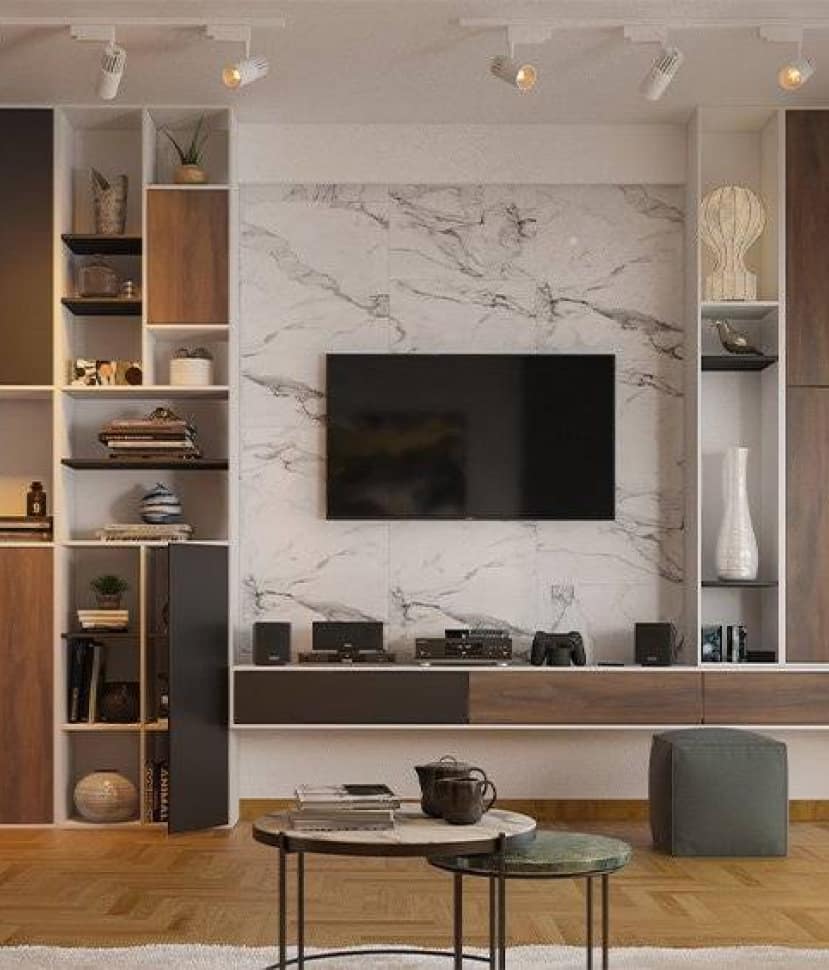
A false ceiling is one of the most transformative elements in Kerala home interiors. It dramatically changes the feel of a room, creates lighting zones and conceals electrical infrastructure. But it is also one of the most misunderstood; many homeowners discover the monsoon problem only after installation.
False ceiling types for Kerala homes
| Type | Material | Kerala suitability | Best use | Key consideration |
|---|---|---|---|---|
| Gypsum board | Gypsum plasterboard | Good in rooms with no seepage history | Living room, bedroom, dining | Destroyed instantly by water; no roof-seepage tolerance |
| PVC panels | PVC planks or panels | Excellent, fully waterproof | Bathrooms, kitchens, utility areas | Cannot match gypsum’s smooth finish quality |
| Grid/tile system | Mineral fibre tiles | Good | Commercial offices, labs | Shows grid lines, so less premium in appearance |
| Wooden strip/slat | Teak or engineered wood | Good in dry rooms | Feature areas, study, lounge | Requires a dry, air-conditioned environment |
| Stretch ceiling | PVC membrane on a frame | Good, waterproof | Bathrooms, reception areas | Higher cost, needs specialist installation |
| Aluminium strip | Aluminium planks | Excellent | Garages, utility, covered exterior | Industrial look, not suited to living areas |
The critical monsoon warning for Kerala
Gypsum board false ceilings are the most popular choice in Kerala living rooms and bedrooms, and they are excellent when installed in rooms without roof seepage. The critical problem: a single instance of roof leakage, or even sustained roof condensation, causes permanent damage to a gypsum false ceiling. The boards swell, crack, and the surface finish is destroyed. Repair is expensive and often requires complete removal and reinstallation.
Warning: Before installing any gypsum false ceiling in your Kerala home, have the roof slab tested during a rain event. Inspect for any seepage, staining or moisture marks on the ceiling plaster. Resolve any waterproofing issues completely, confirm the fix holds through at least one monsoon season, and only then install the false ceiling. This one step prevents the most expensive and avoidable false ceiling problem in Kerala.
Gypsum false ceiling designs that work in Kerala
- Perimeter cove ceiling. A cove (recessed ledge) at the wall-ceiling junction allows concealed LED strip lighting that bounces off the ceiling for a soft ambient glow. The most popular Kerala living room ceiling design.
- Layered ceiling. Two or more levels at different heights, creating depth and visual interest. Works well in large living rooms and master bedrooms.
- Tray ceiling. A recessed central section with a dropped border frame. A classic formal look, popular in Kerala drawing rooms.
- Beam effect ceiling. Applied wooden or PVC beam strips across a flat gypsum base, giving a traditional or rustic character.
- Coffered ceiling. A grid of recessed panels. A premium look with more complex installation, appropriate for villa drawing rooms.
False ceiling and Vastu in Kerala
- Avoid a false ceiling that creates a very low overhead in the centre of the room. Vastu guidance prefers the centre of a room to feel open and unobstructed.
- Cove lighting at the perimeter keeps the centre of the room visually open, which aligns with Vastu principles.
- The false ceiling height in bedrooms should be no lower than 9 feet for a comfortable sleep environment; 9 to 10 feet is the standard in Kerala apartments.
- Some Vastu practitioners advise against false ceilings in the pooja room. If you prefer to follow this, keep the pooja room ceiling in its original plaster finish.
Expert tip: For Kerala bedrooms, consider a partial false ceiling rather than a full-room ceiling. A rectangular panel above the bed with a cove lighting perimeter, leaving the rest of the room at full ceiling height, gives the warm lighting effect of a full false ceiling at lower cost and with less visual weight in the room.
Frequently asked questions
How long does a false ceiling last in Kerala?
A gypsum false ceiling in a room with no roof seepage history typically lasts 15 to 20 years with normal maintenance, meaning repainting every 5 to 7 years. If any roof seepage occurs, the ceiling is damaged immediately and significantly. PVC panel ceilings last 10 to 15 years depending on quality and UV exposure.
Can I install a false ceiling on an old roof slab in Kerala?
Yes, provided the slab has been inspected and any seepage issues resolved. Old roof slabs in Kerala are more likely to have developed hairline cracks or waterproofing failures over time. Have a civil engineer assess the slab before committing to a false ceiling.
What is the typical height for a false ceiling in Kerala apartments?
Standard Kerala apartment construction has a floor-to-ceiling height of 10 to 11 feet. A false ceiling at 9 to 9.5 feet leaves 6 to 18 inches of plenum space for electrical infrastructure and light fixtures. Avoid going below 9 feet in living areas and bedrooms, as it creates a heavy, enclosed feeling.
Does BYTS Interior install false ceilings?
Yes. False ceiling design and installation is part of our complete interior scope. We coordinate the false ceiling design with the overall lighting plan and electrical requirements, and our installation team executes the complete scope.
Disclaimer: This article reflects BYTS Interior's project experience and general practices in Kerala and South India. Costs, timelines, material performance and approvals vary with site conditions, market rates and local regulations. Consult a qualified professional before making financial, structural or technical decisions.
Ready to plan your space?
Free site visit across Palakkad, Thrissur, Kozhikode & Coimbatore. Our senior team visits at no charge.